
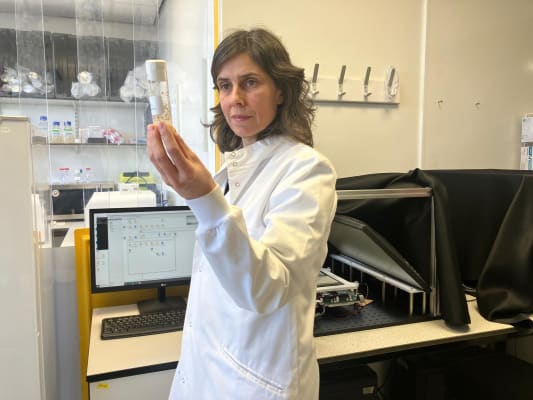
Case Study: Clara Howcroft Ferreira
At a glance
Clara is a researcher in Neuroscience (science of the brain, spinal cord, and networks of nerve cells, or neurons, throughout the body) at Northumbria University. She is fascinated with the behaviours and the brains of insects, and with what studying them tells us about how nervous systems work. She studies fruit flies, and is particularly interested in these animals as they can do much more interesting things than people generally give them credit for.
Fascination with insects
Clara was passionate about Biology from an early age and first studied to be a high school teacher. She then did a master’s degree in research and began studying the effects of soil contaminants on animal behaviour. Clara became fascinated with insect neuroscience during her PhD in Neuroscience and has been working with fruit flies ever since.
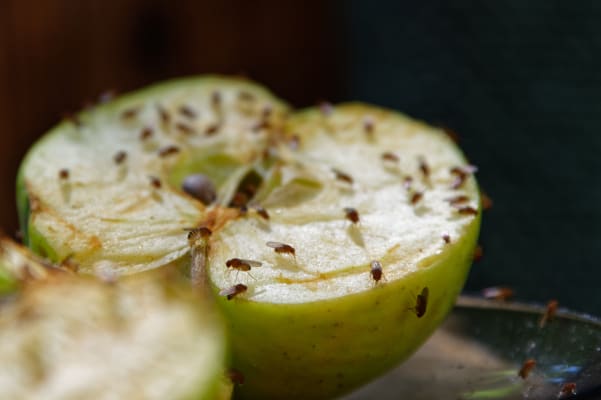
Clara has been involved in projects studying how flies make decisions, and found that they dither (can’t make their minds up) when they are faced with difficult decisions! She has analysed the behaviour of flies riding a carousel and just like other animals, she found that while some flies really like riding them, others don’t. Her main interest though is researching the social lives of flies, and she is currently studying the ‘safety in numbers’ effect, how flies benefit from being in a group when faced with potential predators.
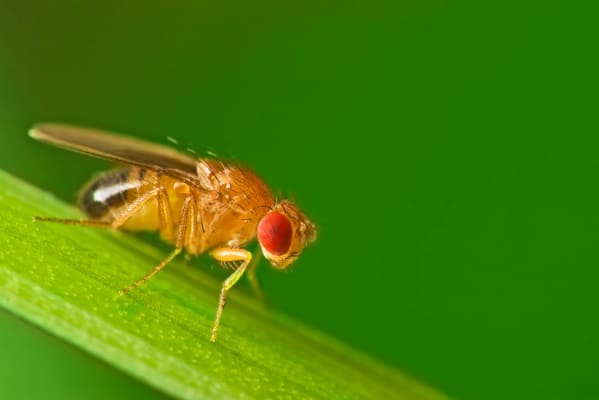
Analysing the behaviour of animals
Clara works in systems neuroscience which is the study of how neuronal circuits (the the things that send messages around your body) in the central nervous system, the brain and the spinal cord in humans, work.
A bit more specifically, Clara analyses the behaviour of animals in a laboratory setting and study which molecules and neurons are important to produce their behaviour. She loves working with different people to come up with new ideas:
My field of STEM is very exciting because it brings together people from many different fields, from biologists and psychologists to physicists and engineers.
Clara’s STEM attributes
Clara loves to be imaginative when she is
coming up with new ideas to take on the challenge of trying to understand how us animals do what we do in our everyday lives.
She can come up with new ideas because she is curious and is observant because that is how she comes up with new ideas. She is patient as she needs to observe and analyse the behaviour of fruit flies over time.
Clara needs to be collaborative as she researches questions that involve lots of different experts and open-minded as:
there are always new things to learn everywhere.
Exploring the North East of England
Clara loves exploring the northeast countryside and seaside with her children at the weekends, exploring new places and meeting new people, reading and jogging.
Clara’s advice to young people is:
STEM is a lot of fun and is for everyone.
This case study is featured in our STEM Person of the Week 2025 set. You can download the whole set, which includes a poster of Clara using this link.
Job: Assistant Professor of Neuroscience
Key Attributes: imaginative, curious, patient
Qualifications: PhD in Neuroscience