Geography: Past, Present and Future
A series of three KS2 workshops in geography and environmental science
inspired by the research of Northumbria University’s cold and palaeo-environment research group.

Geography: Past, Present and Future is a series of three workshops (The Palaeontologist, The Environmental Modeller, The Environmental Planner) and an encounters assembly exploring climate change and environmental science with primary school children. The workshop series was co-designed and co-delivered by academic staff from Northumbria University’s cold and palaeo-environment (CAPE) research group and NUSTEM.
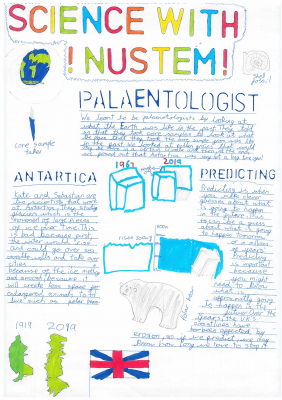
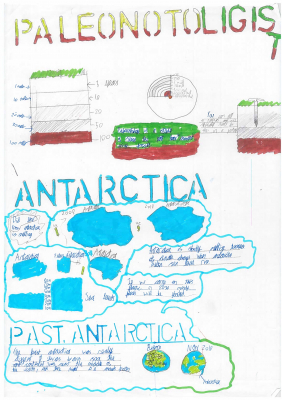
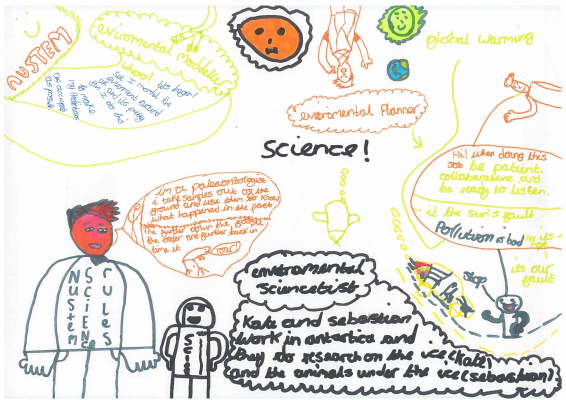
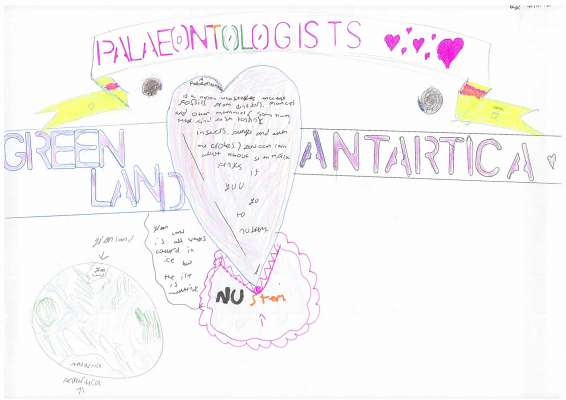
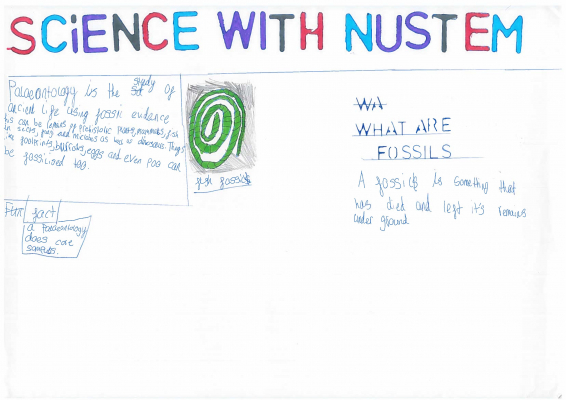
In the workshops, relevant academics visit the classroom and support children to act as researchers to consider how environmental science can be used to see what the environment was like in the past, measure what’s happening now and predict what it will be like in the future.
The aims of Geography: Past, Present and Future were:

 https://nustem.uk/wp/wp-content/uploads/2018/11/landscape-sea-coast-water-nature-outdoor-846390-pxhere.com_.jpg
2056
4288
Melanie Horan
https://nustem.uk/wp/wp-content/uploads/2017/02/logo-banner.png
Melanie Horan2019-02-26 13:47:122020-04-08 14:33:49Environmental Modeller
https://nustem.uk/wp/wp-content/uploads/2018/11/landscape-sea-coast-water-nature-outdoor-846390-pxhere.com_.jpg
2056
4288
Melanie Horan
https://nustem.uk/wp/wp-content/uploads/2017/02/logo-banner.png
Melanie Horan2019-02-26 13:47:122020-04-08 14:33:49Environmental Modeller https://nustem.uk/wp/wp-content/uploads/2015/03/2015-03-23-12.17.591.jpg
1317
1686
Melanie Horan
https://nustem.uk/wp/wp-content/uploads/2017/02/logo-banner.png
Melanie Horan2019-02-26 13:36:592020-04-08 14:22:46The Palaeontologist
https://nustem.uk/wp/wp-content/uploads/2015/03/2015-03-23-12.17.591.jpg
1317
1686
Melanie Horan
https://nustem.uk/wp/wp-content/uploads/2017/02/logo-banner.png
Melanie Horan2019-02-26 13:36:592020-04-08 14:22:46The Palaeontologist https://nustem.uk/wp/wp-content/uploads/2019/02/Environmental-planners.png
561
747
Melanie Horan
https://nustem.uk/wp/wp-content/uploads/2017/02/logo-banner.png
Melanie Horan2019-02-08 16:22:092020-04-08 14:34:26Environmental Planner
https://nustem.uk/wp/wp-content/uploads/2019/02/Environmental-planners.png
561
747
Melanie Horan
https://nustem.uk/wp/wp-content/uploads/2017/02/logo-banner.png
Melanie Horan2019-02-08 16:22:092020-04-08 14:34:26Environmental Planner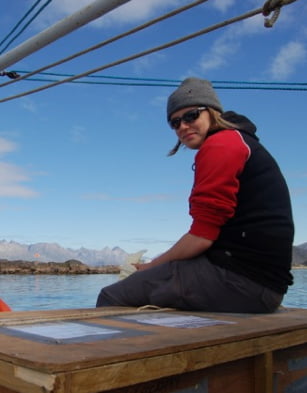
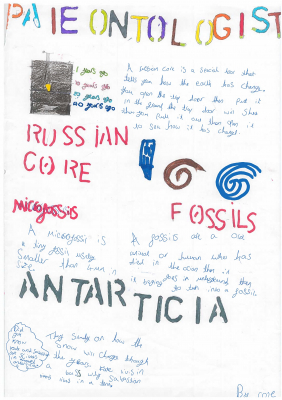
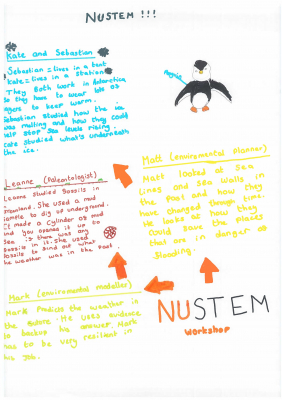
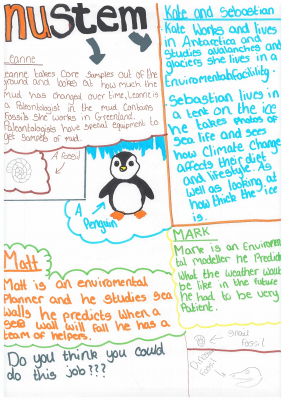
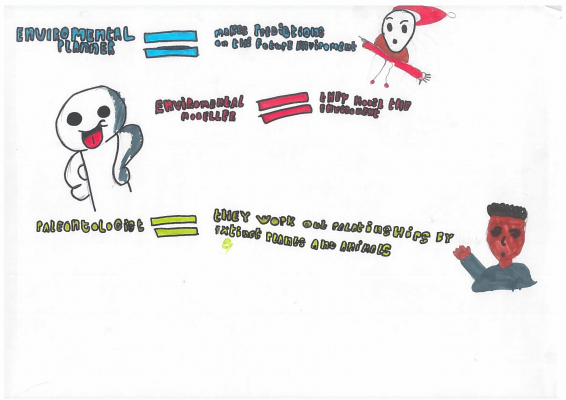
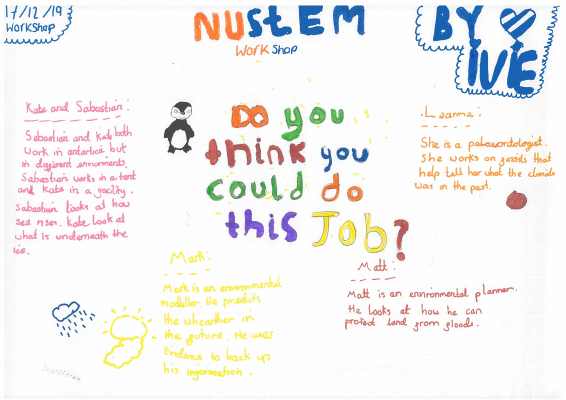
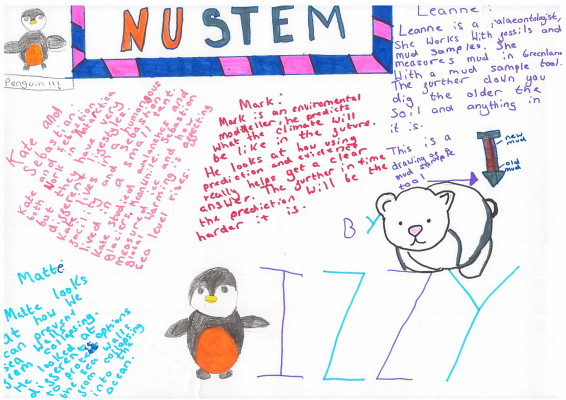
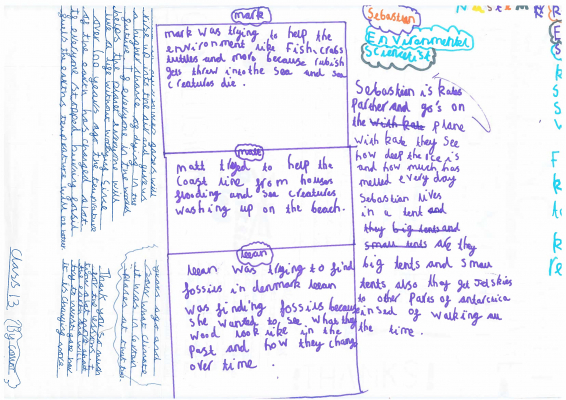
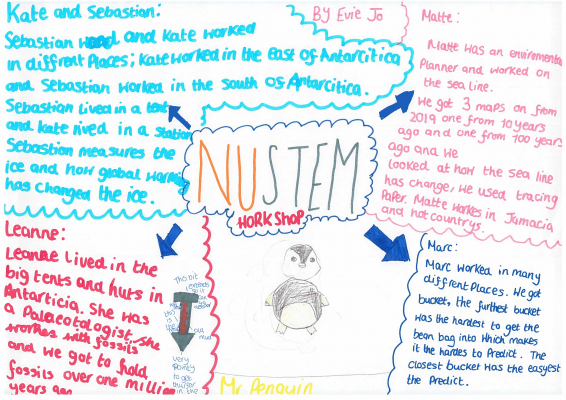
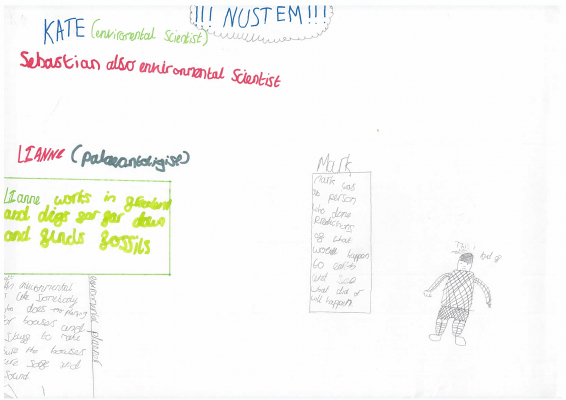
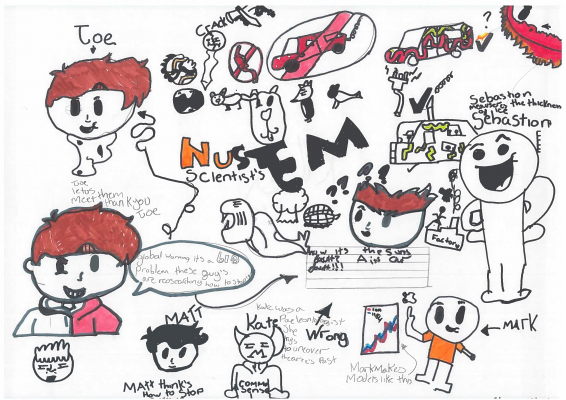
Leanne models the elastic, viscous and gravitational response of the Earth to redistribution of ice and water on the Earth’s surface and predicting the variation in sea-level change in the past.
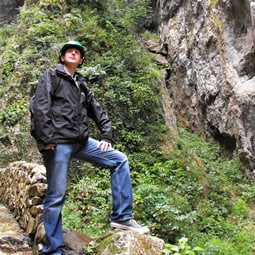
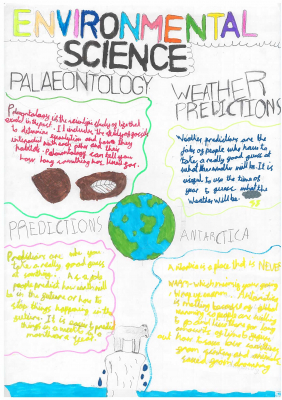
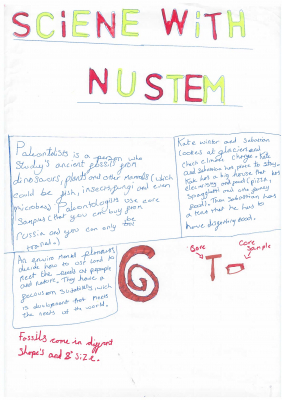
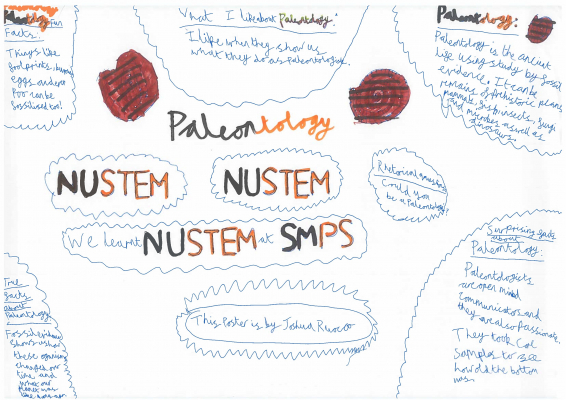
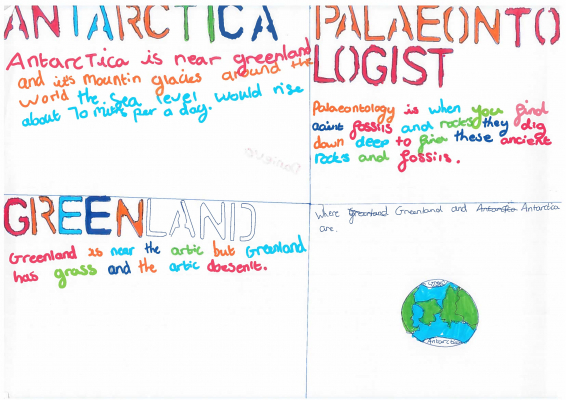
Matt is interested in how climates and environments have changed through geological time. Creating large datasets of fossil information he produces global maps of vegetation, climate, soil and lake distributions.
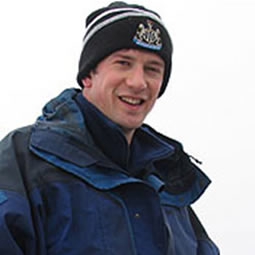
Nick is interested in the hydrology of cold environments and how the frozen land surface interacts with the atmosphere.
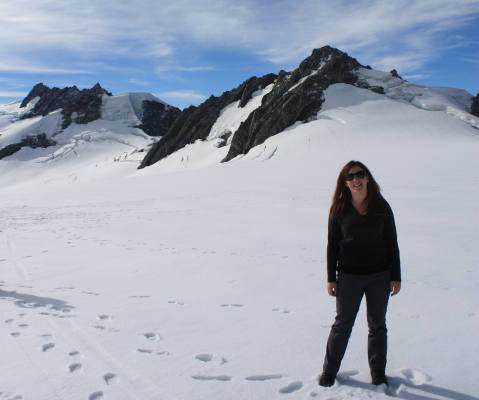
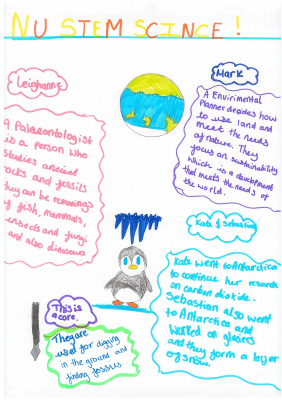
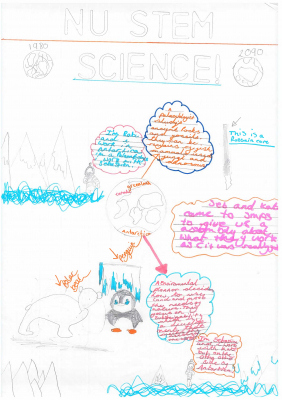
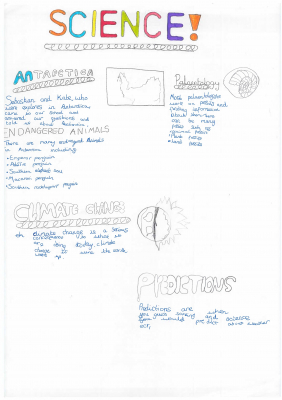
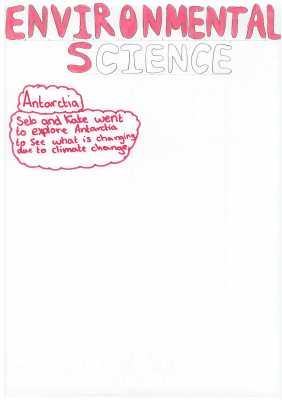
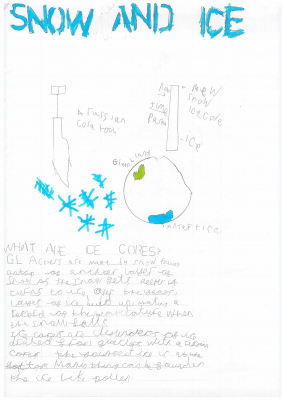
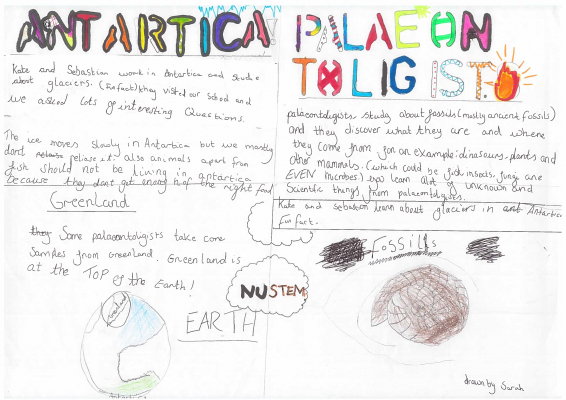
Kate uses ice penetrating radar and remotely sensed imagery to comprehend and characterise the subglacial environment and flow dynamics of ice streams in Antarctica.
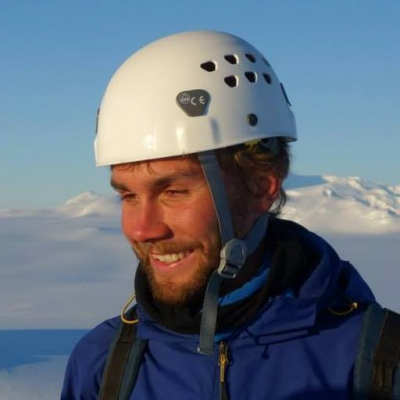
Sebastian’s research focuses on understanding the processes controlling ice flow in Antarctica, with the goal of improving computer model predictions of the continent’s contribution to future sea level rise.
The workshop series was delivered to children in Year 6 during Nov 2019 – Jan 2020 in North East schools. The workshops series was evaluated to determine whether it delivered the intended outcomes for children.
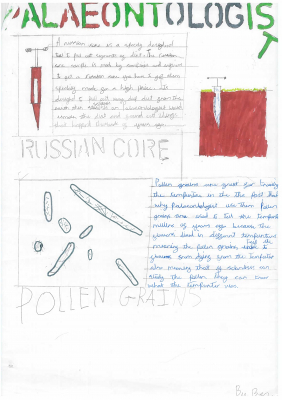
“The most noticeable thing for me as science lead was how inspired the teachers were by the project. They came out of each session buzzing at the science/geography that was being taught and the exciting hooks that were being used. They were particularly inspired by the way pollen analysis was used to predict what temperatures had been in the past. Teachers were definitely motivated to continue using environmental change as a stimulus for learning.”
School Science Coordinator

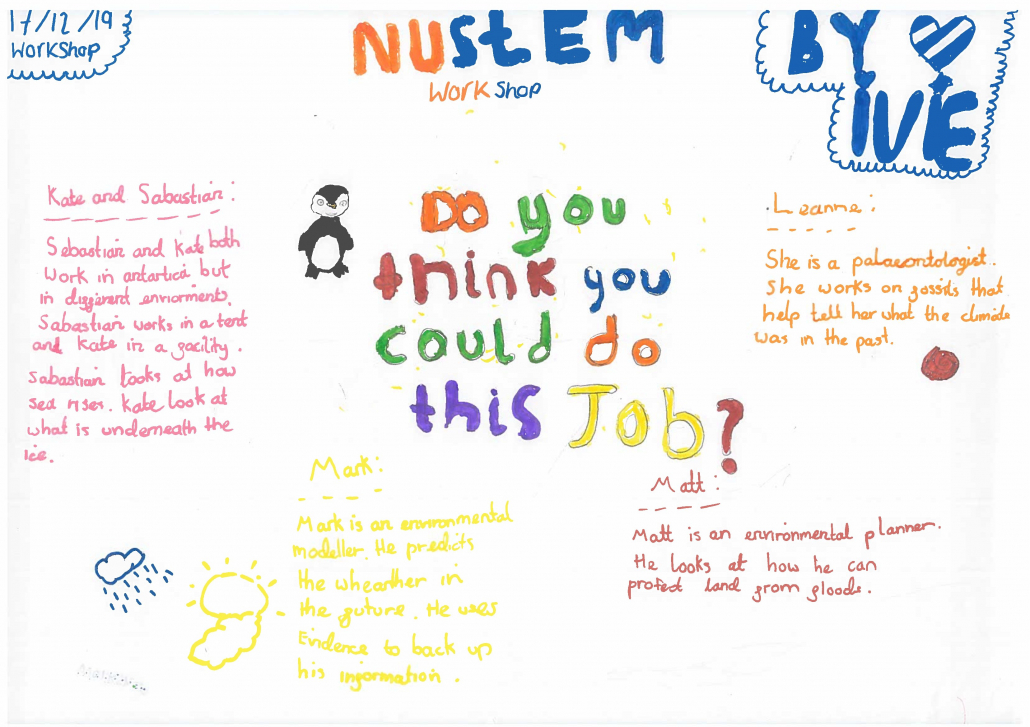

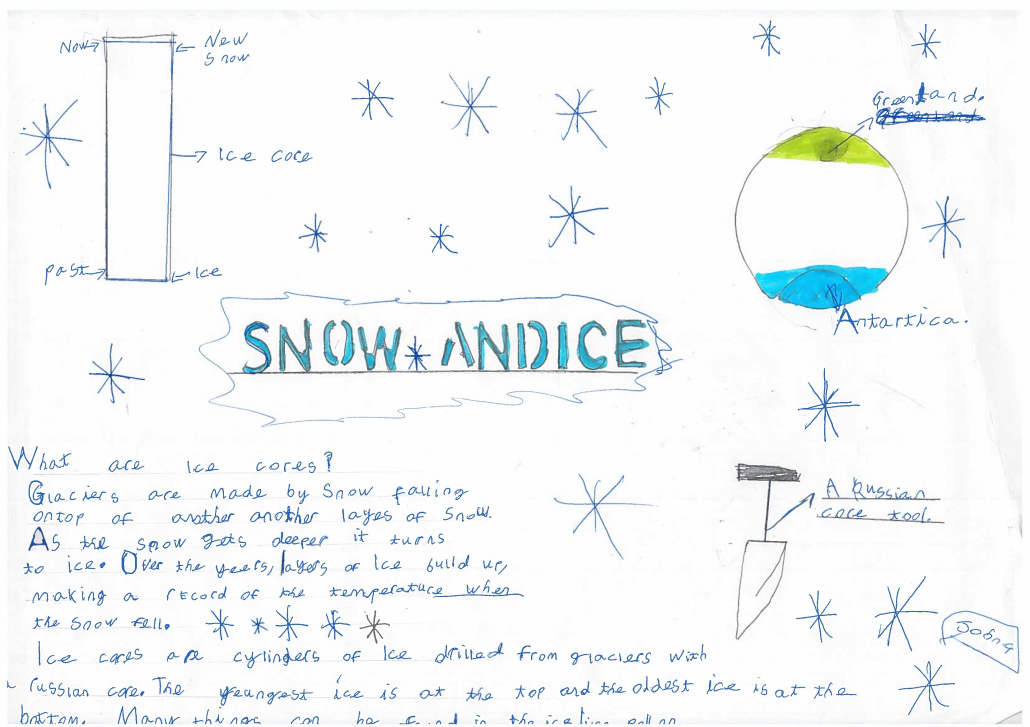
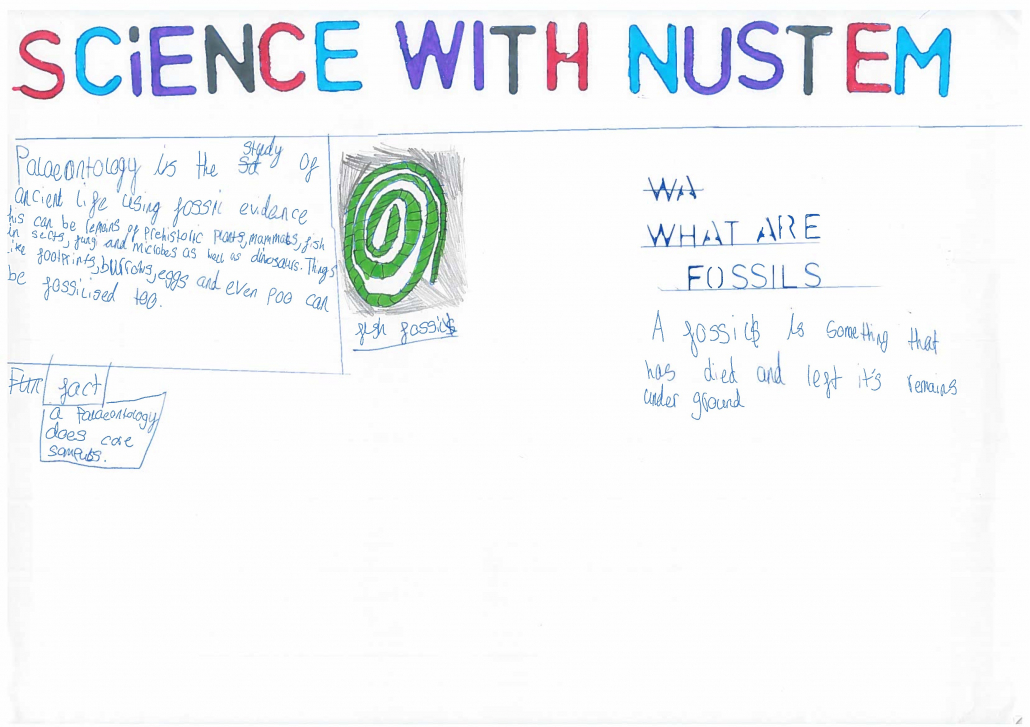

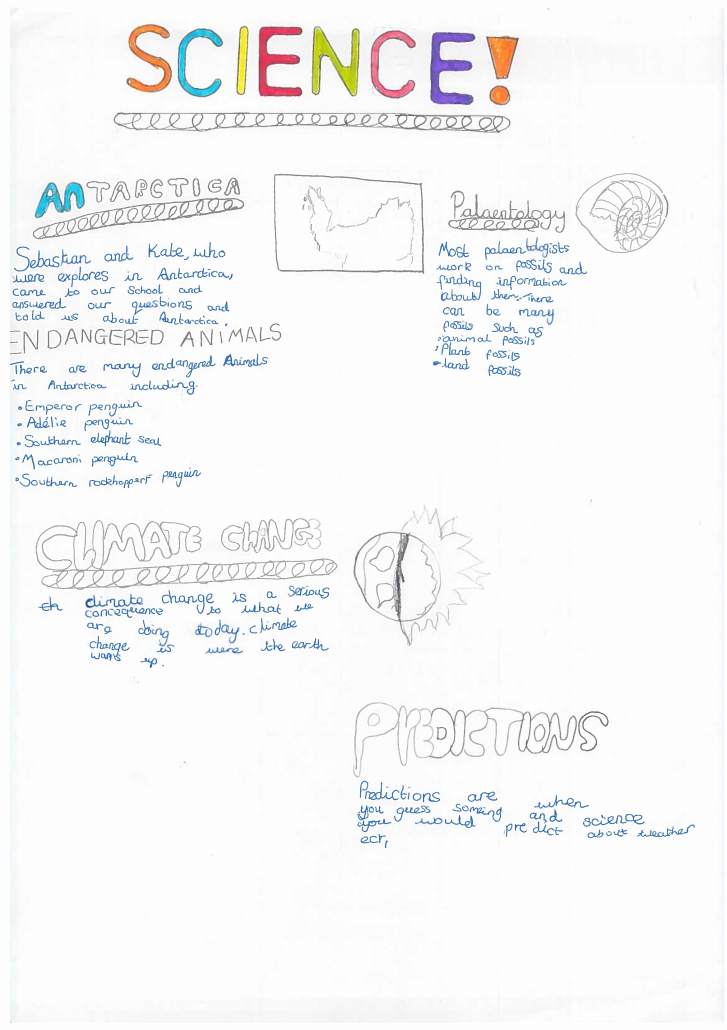
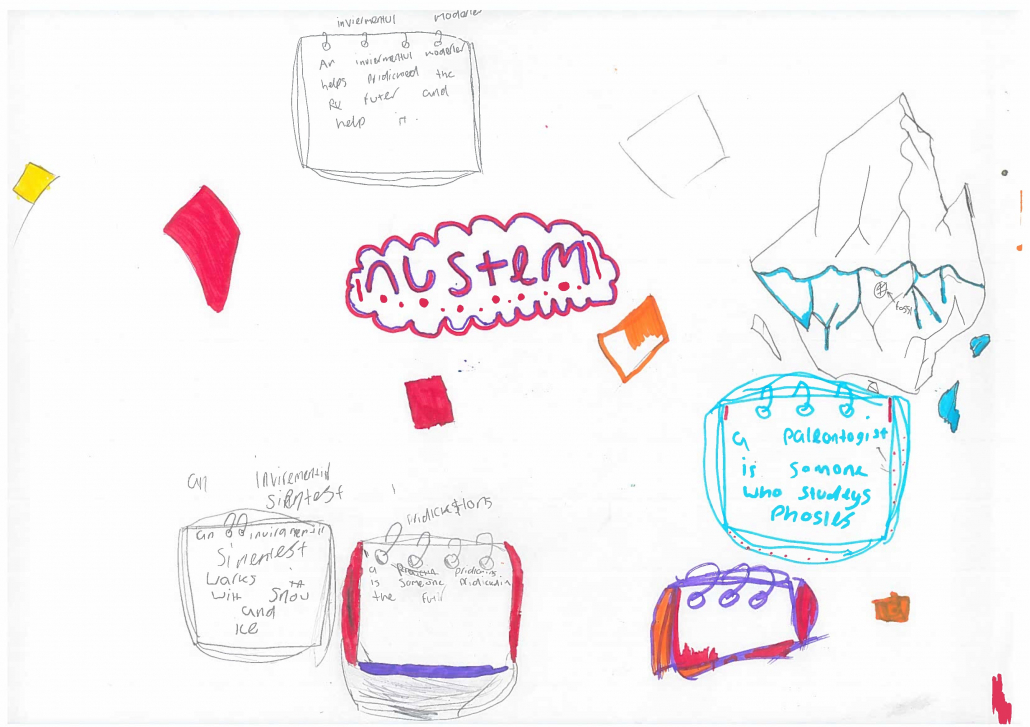
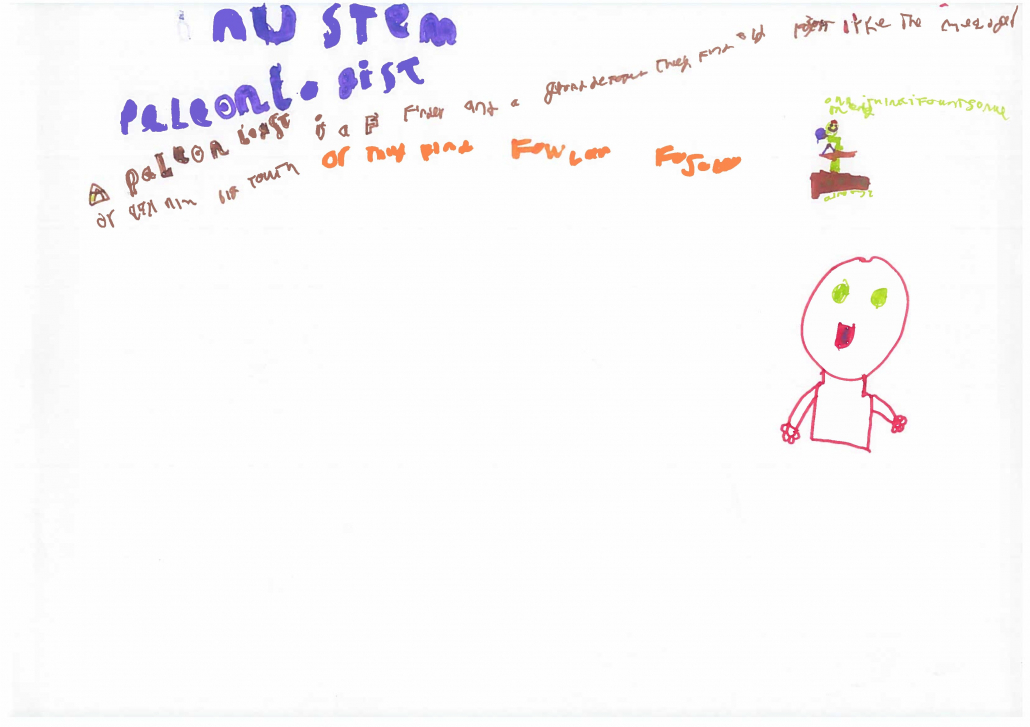
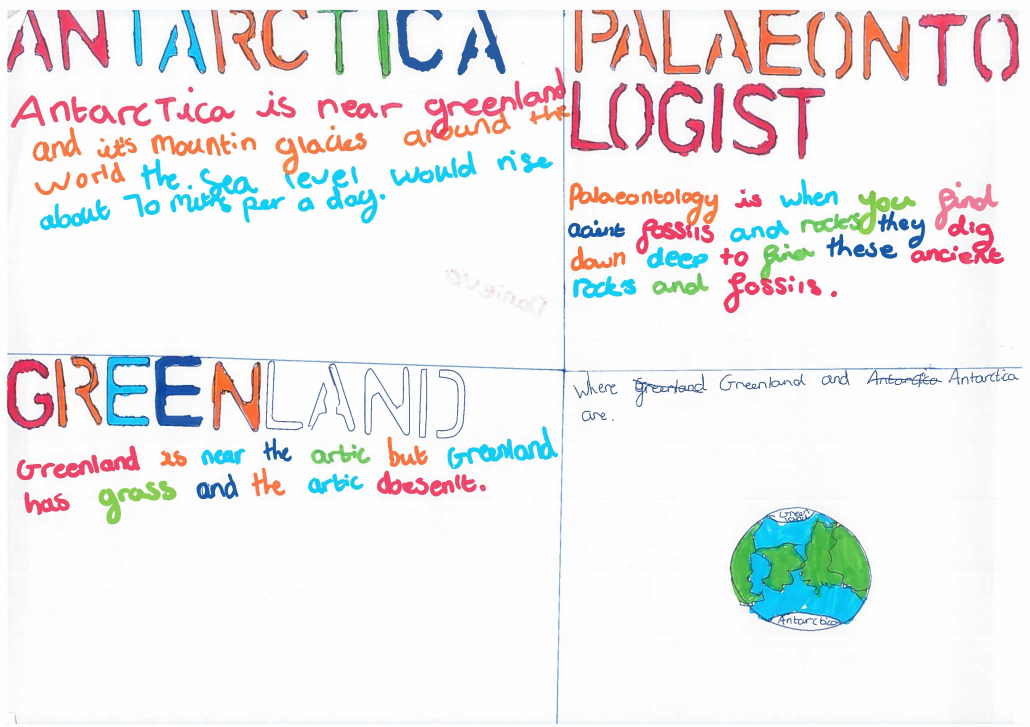

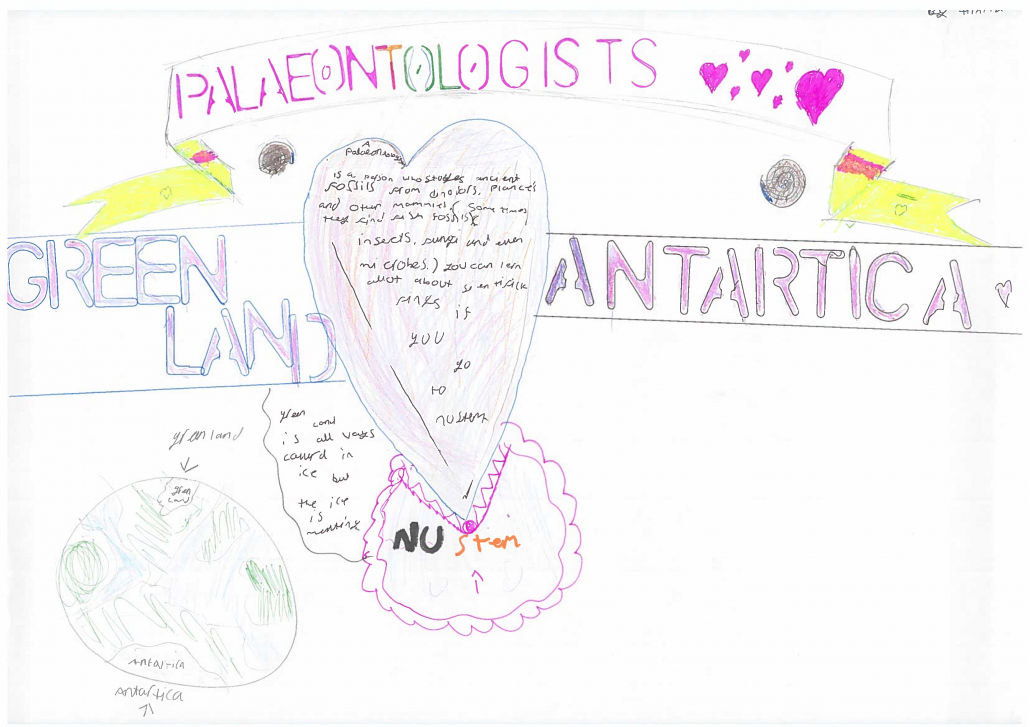
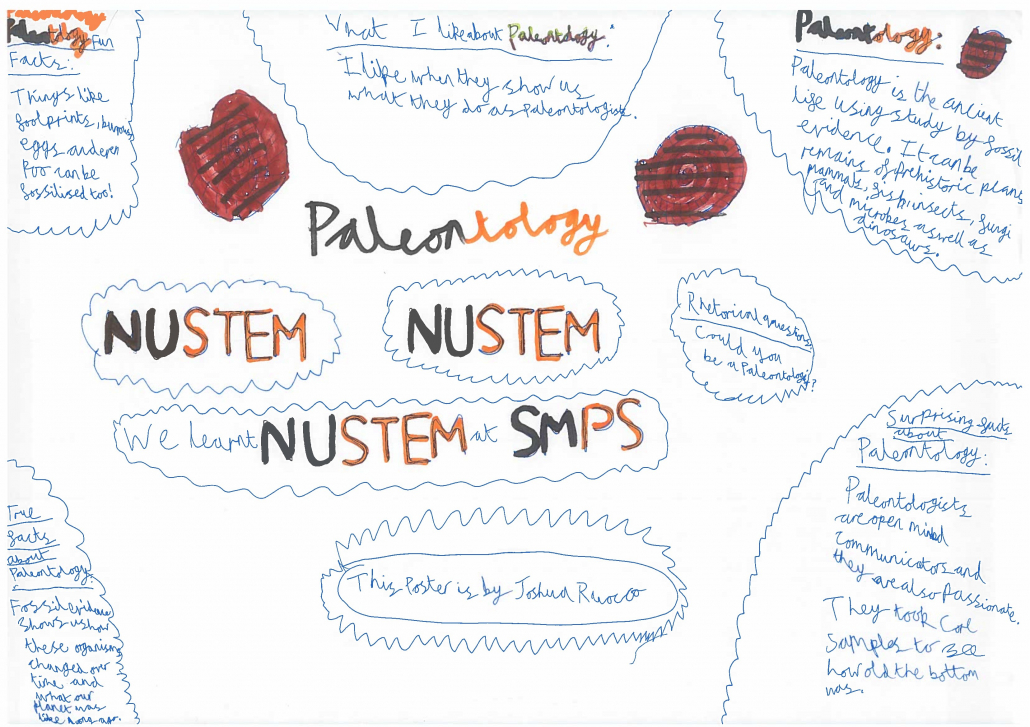
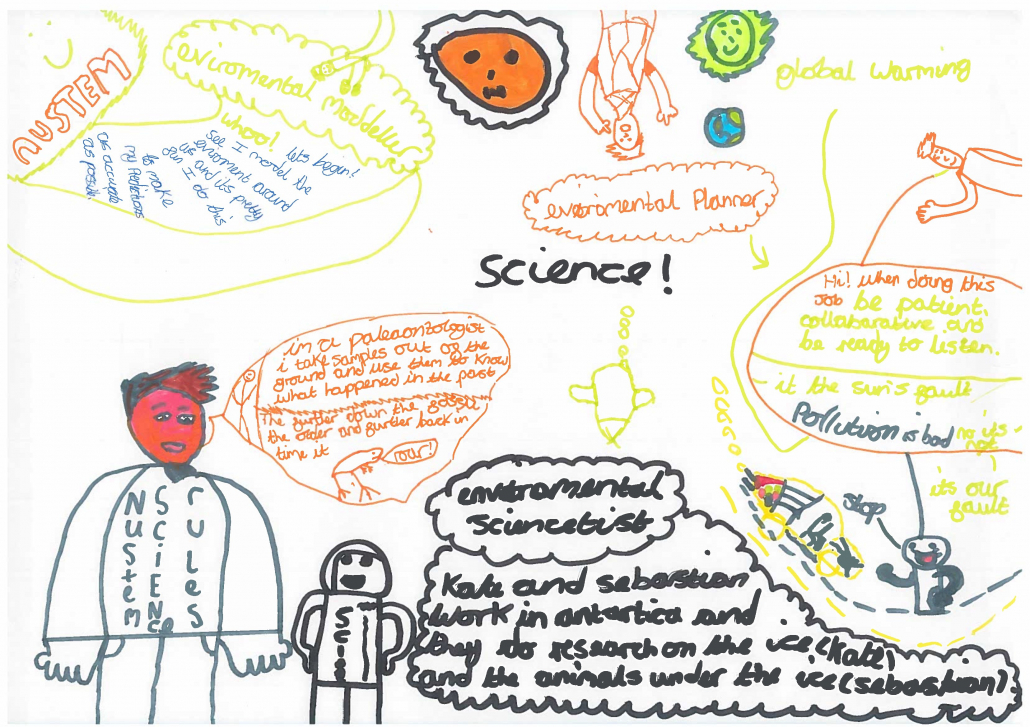
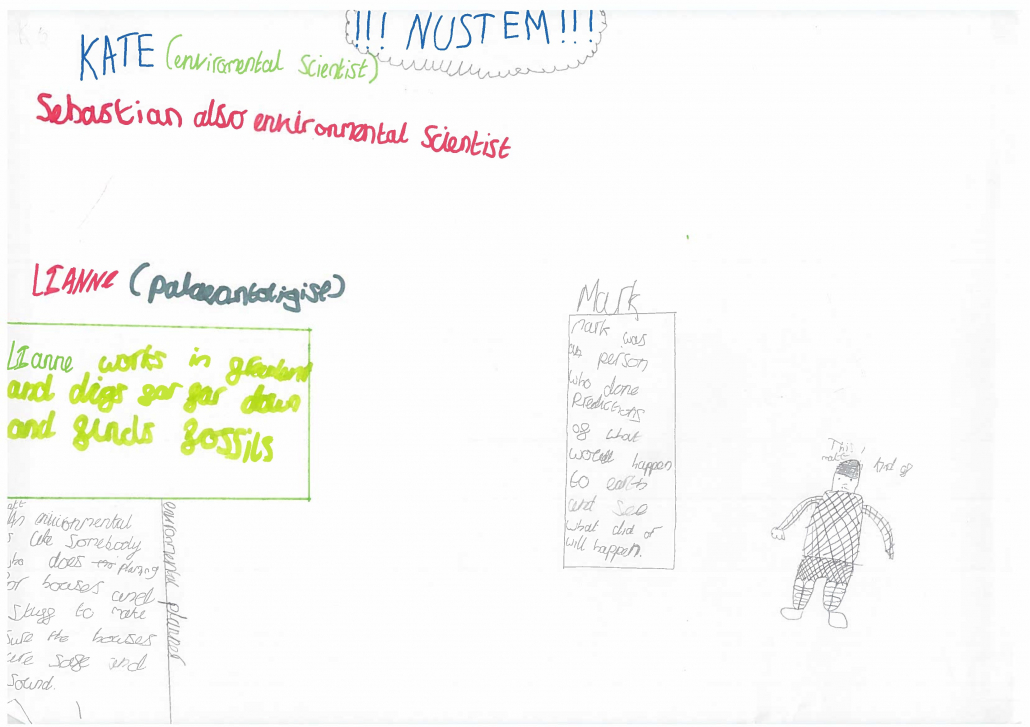
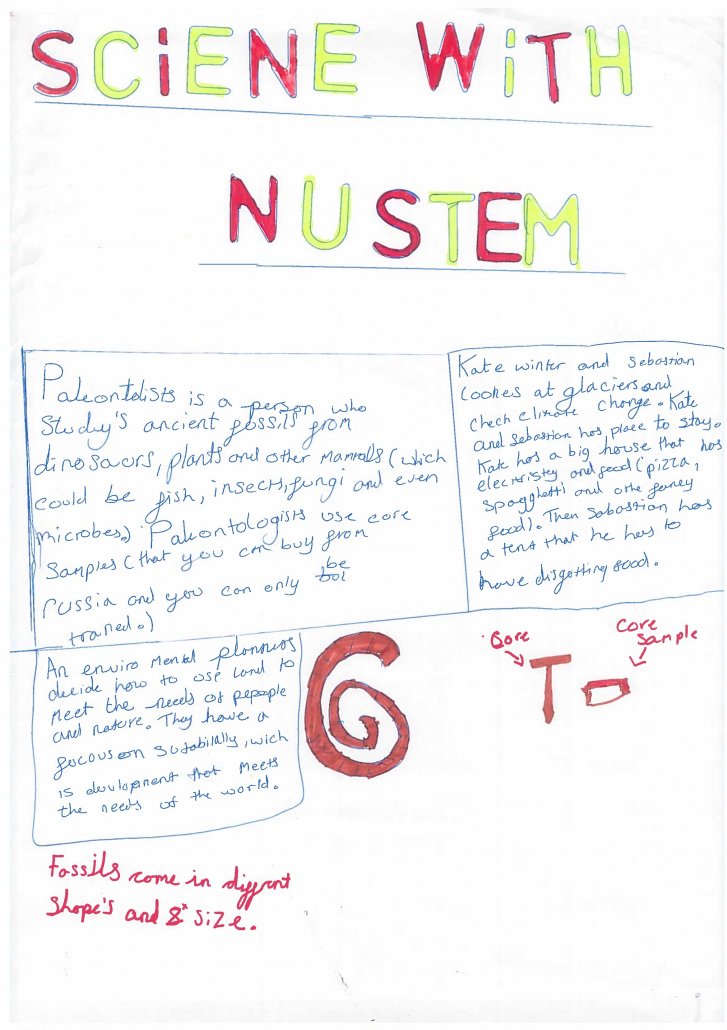
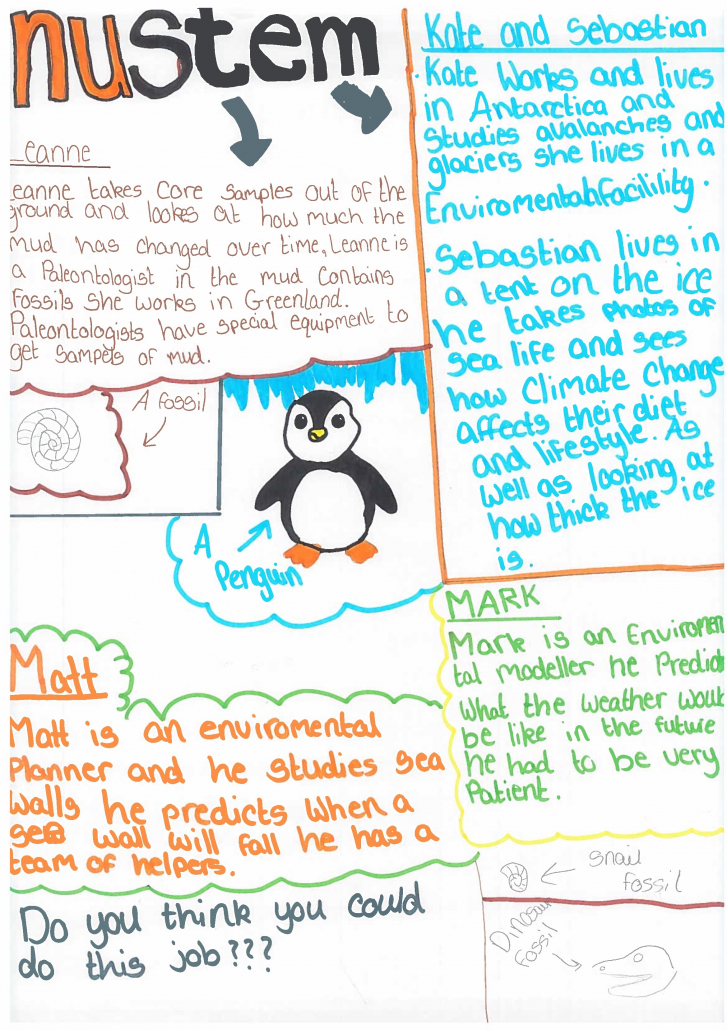
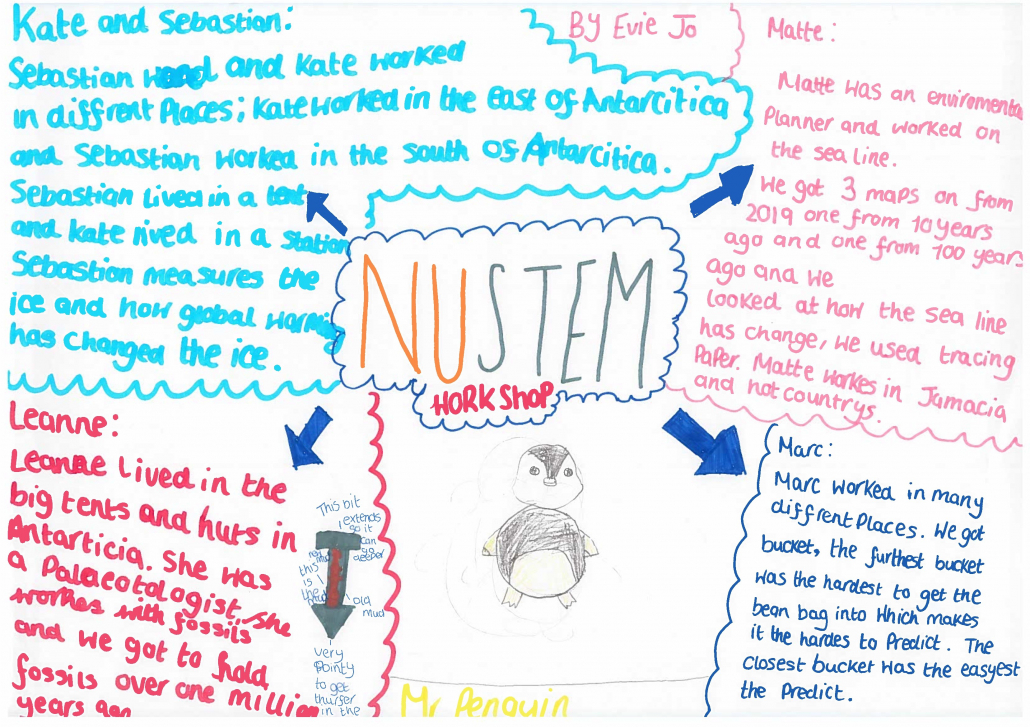

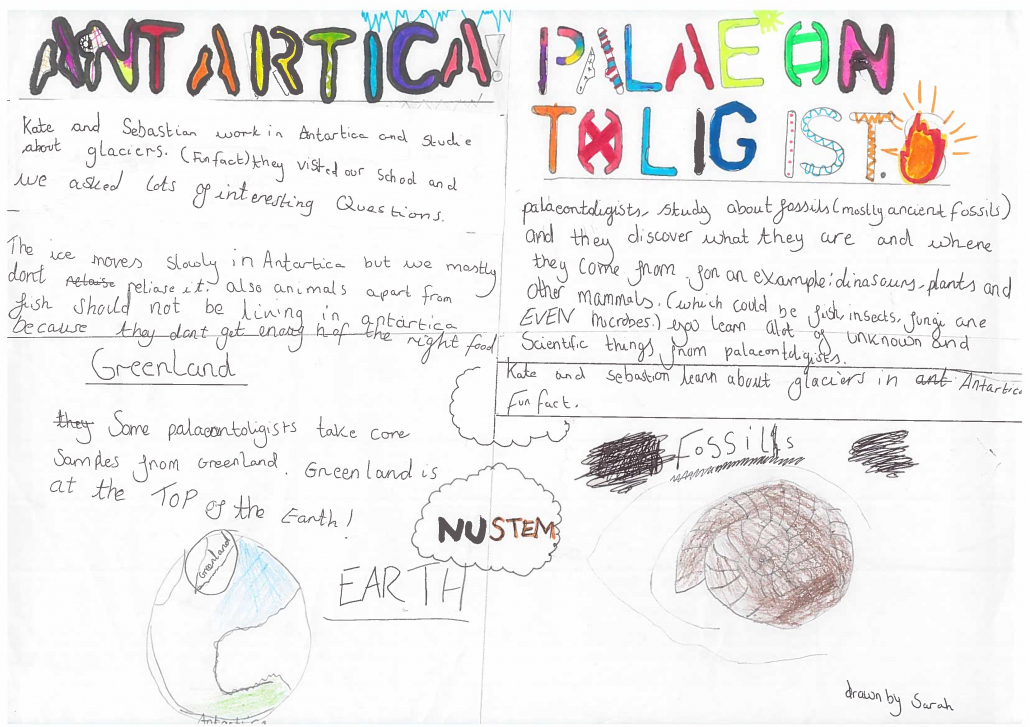

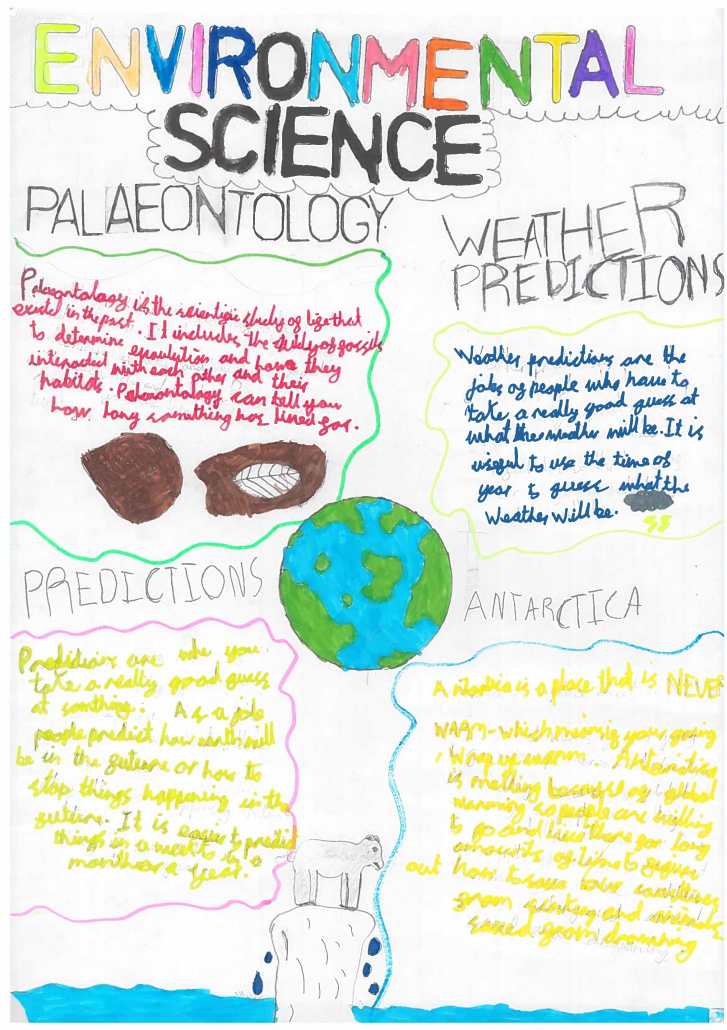
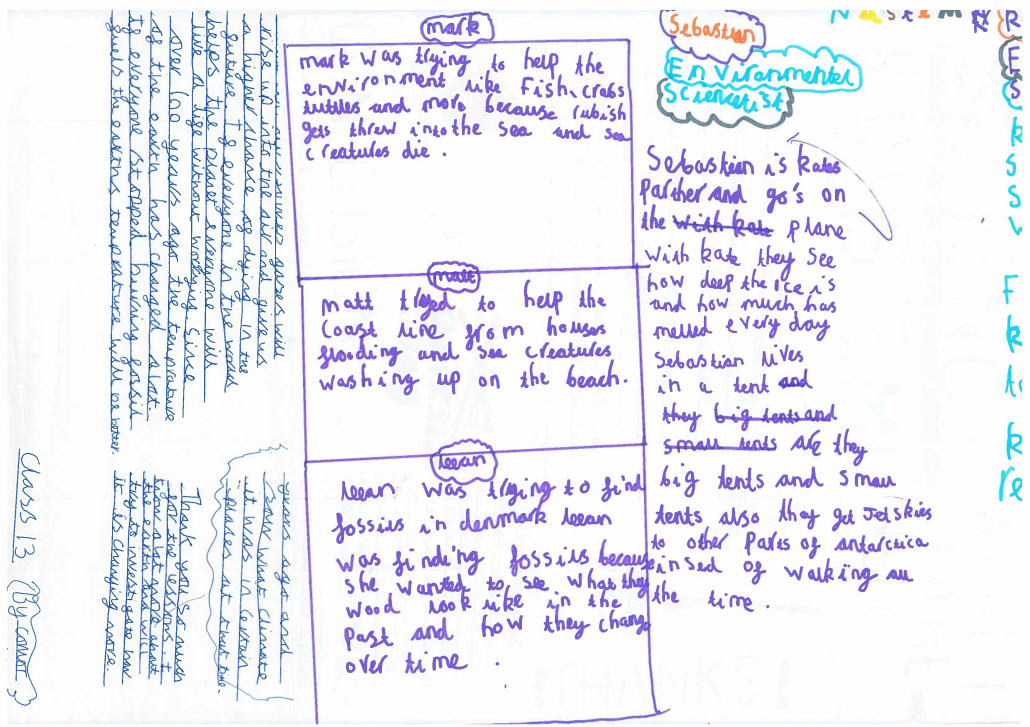
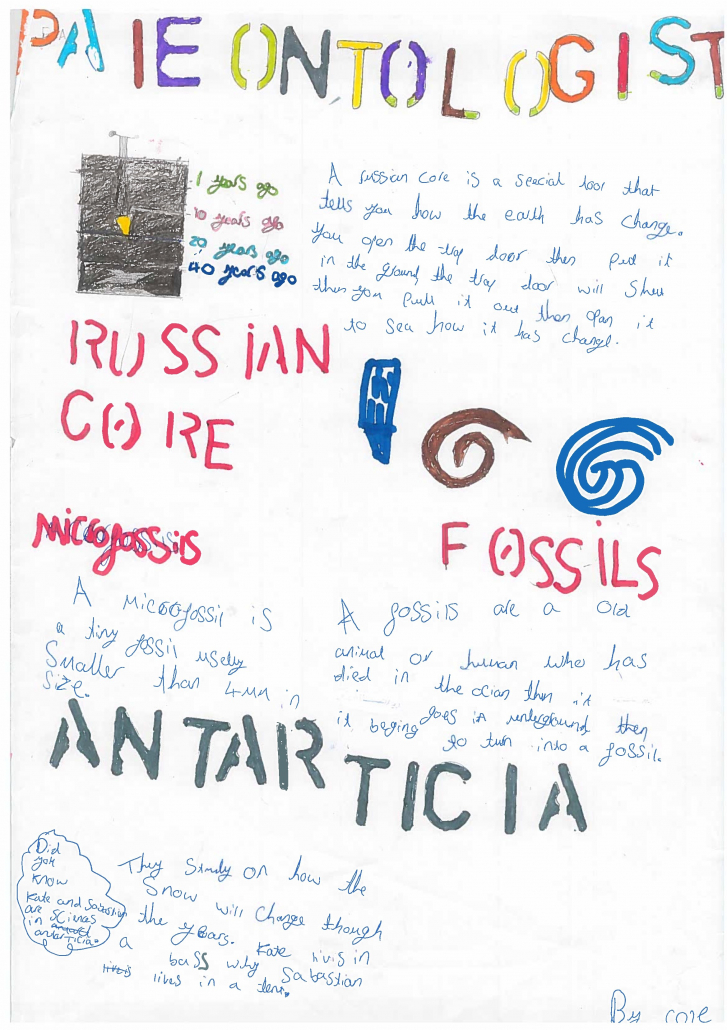


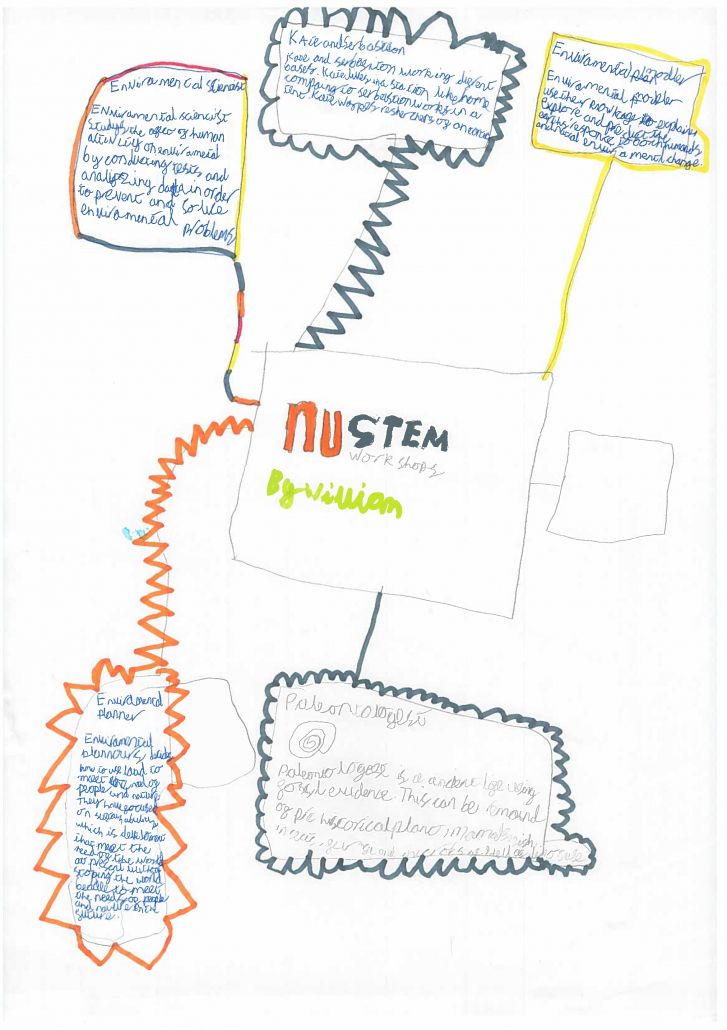
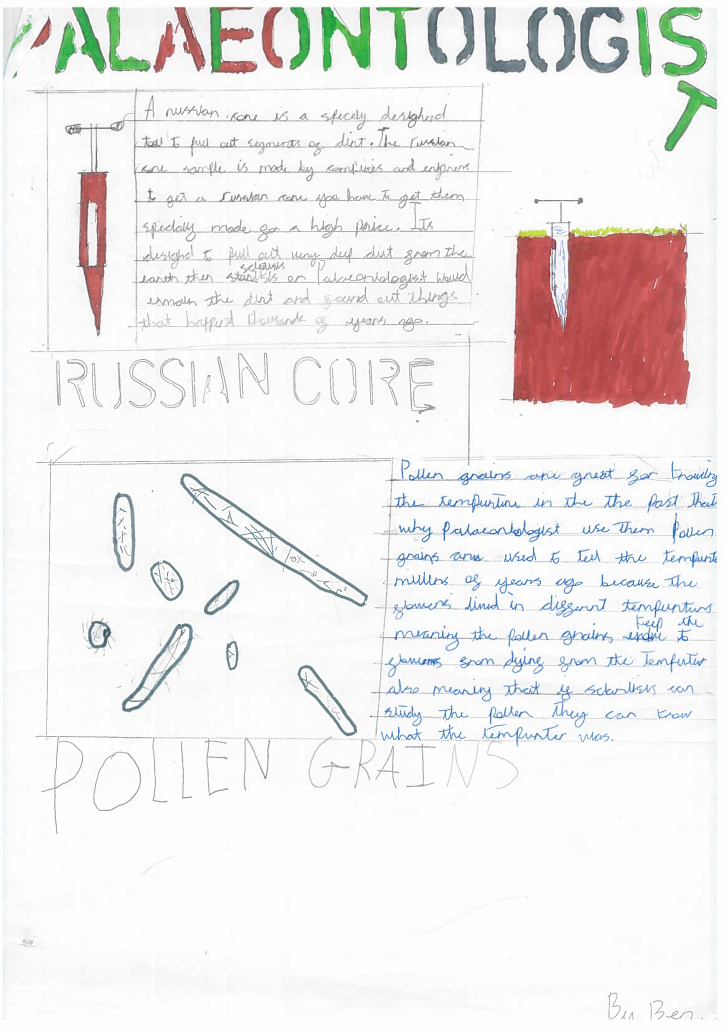

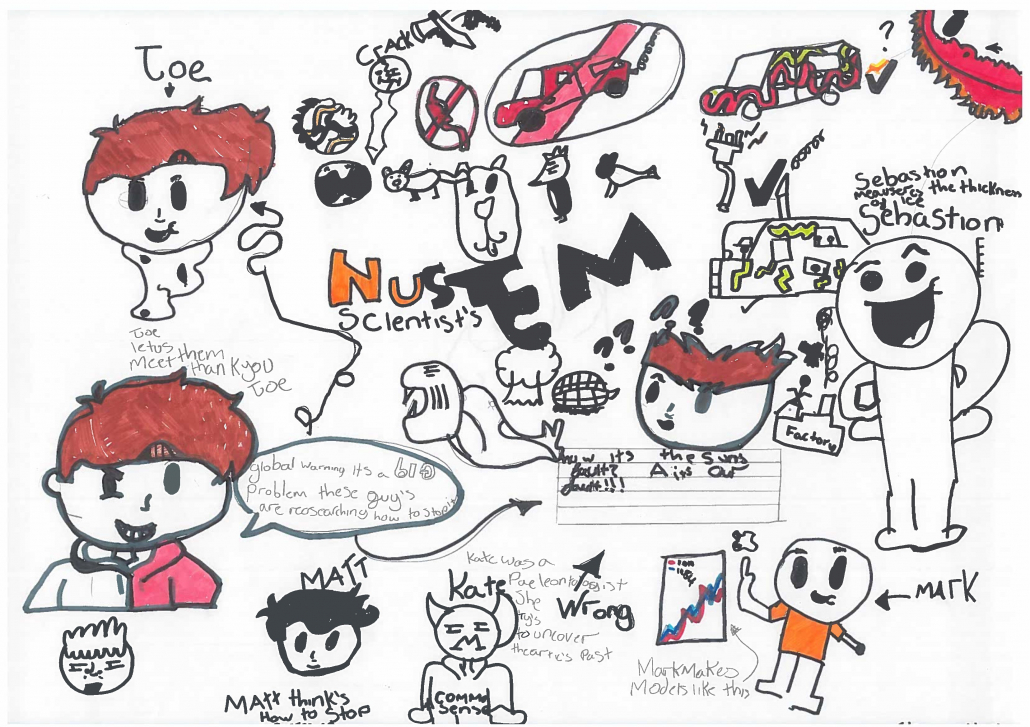
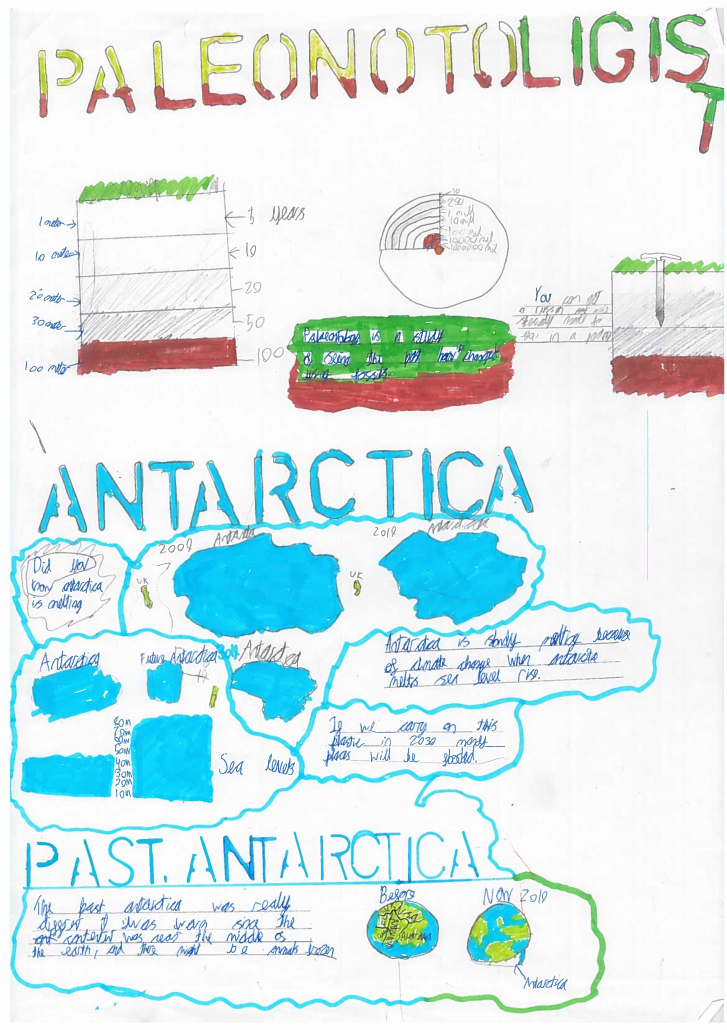
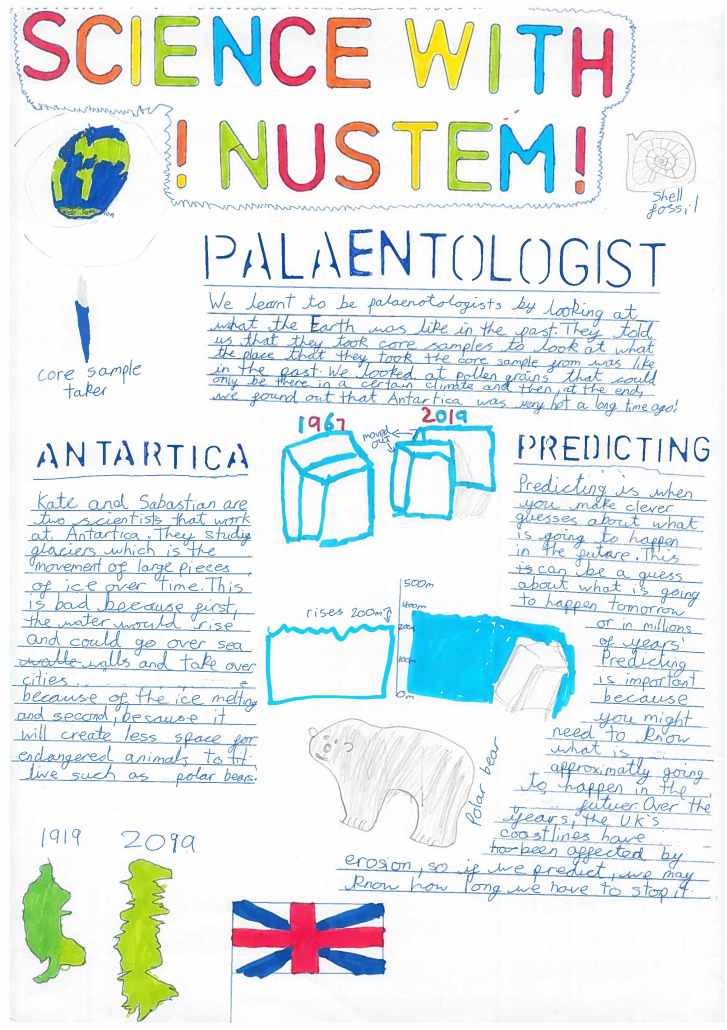
Children’s understanding of environmental science topics improved, particularly among girls:
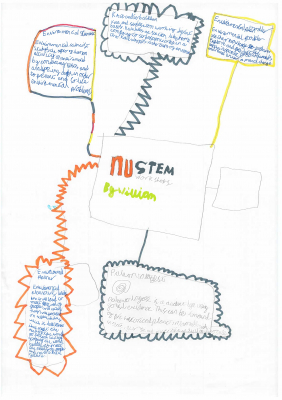
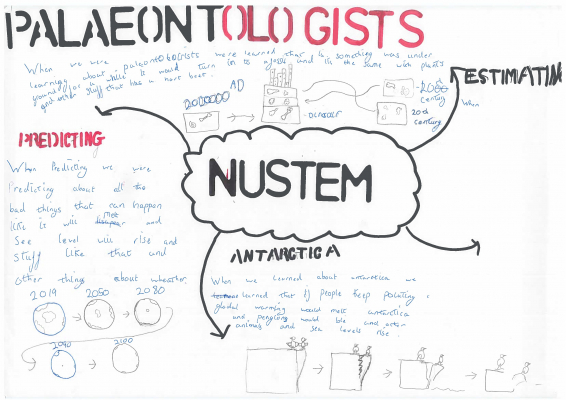
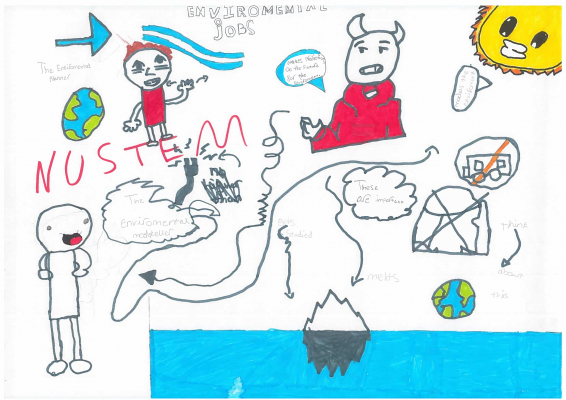
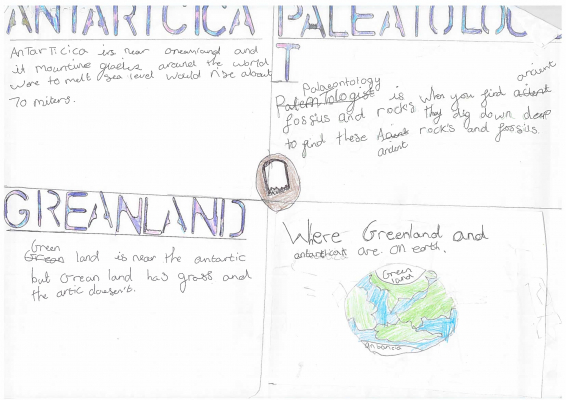
Children demonstrated understanding of the nature of all three environmental science careers, and could name relevant attributes and characteristics of environmental scientists.
Children’s responses moved from largely negative and neutral pre-intervention, to more neutral and positive post intervention.
Children report their increased desire to learn about climate change, to act in an environmentally friendly way following the intervention. Examples include:
Children reported to enjoy all three the workshops, but the intervention was not shown to improve interest in science more generally.