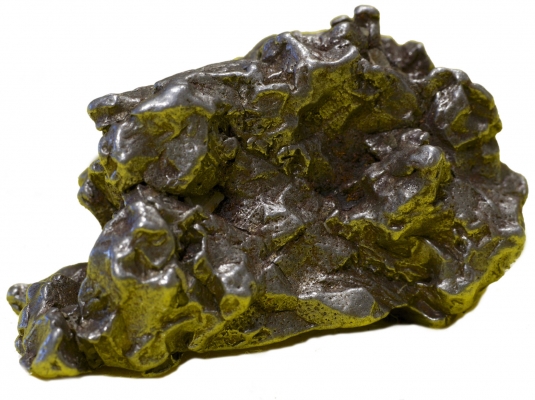

NUSTEM Loans Boxes Spring 2023
This term children at New Delaval Primary have been using NUSTEM loans boxes. NUSTEM loans boxes are linked to STEM careers and contain original objects and replicas that can be handled and used as part of classroom activities. While using the resources in the boxes, children get the opportunity to try out and explore some of the skills, techniques, equipment and ideas that STEM professionals use on a day-to-day basis.
Children in Key Stage 2 have been using the following box. Click on the link to find out more about the box:
We hope you enjoy trying some of our activities at home!

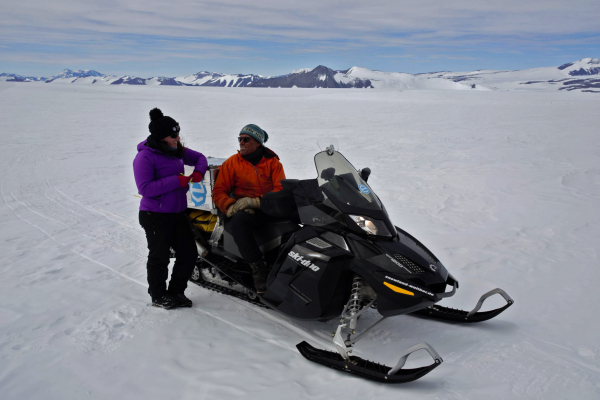 Year 5 and 6 visited Thinklab at Northumbria University and became ice core scientists. They travelled to the Antarctic and discovered what we can find out about the past from air bubbles trapped in the ice. The children used this as inspiration to write their own poetry. To find out more about the Antarctic and to see the completed poems,