Goat on a Boat

A goat? On a boat?!

What’s that got to do with science?

In fact, it’s very scientific when you know that the youngest of the Billy Goats Gruff was actually a naval architect (a boat designer). This little known twist in the old tale has inspired our Goat on a Boat workshop – where we really do float a goat on a  boat!
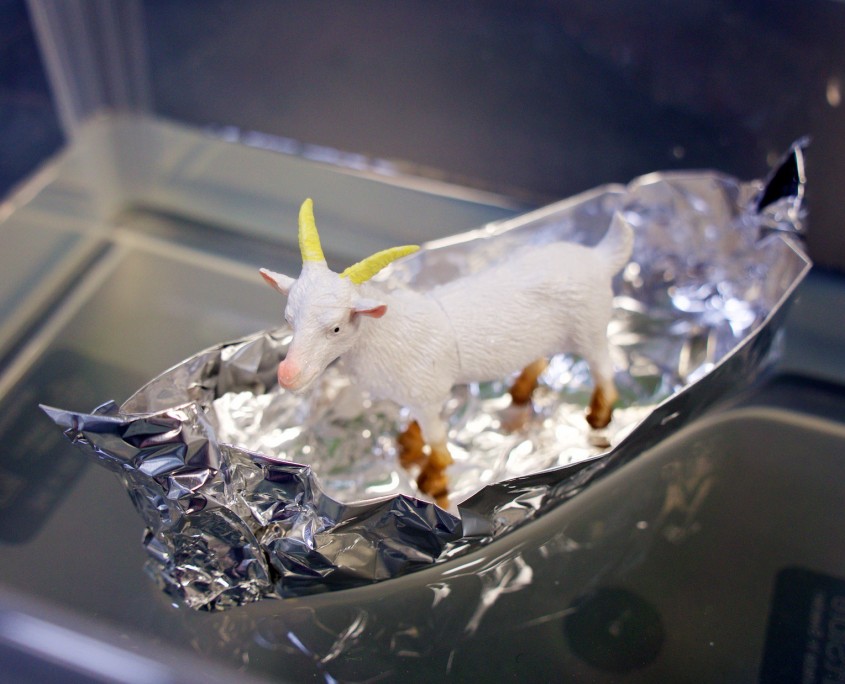
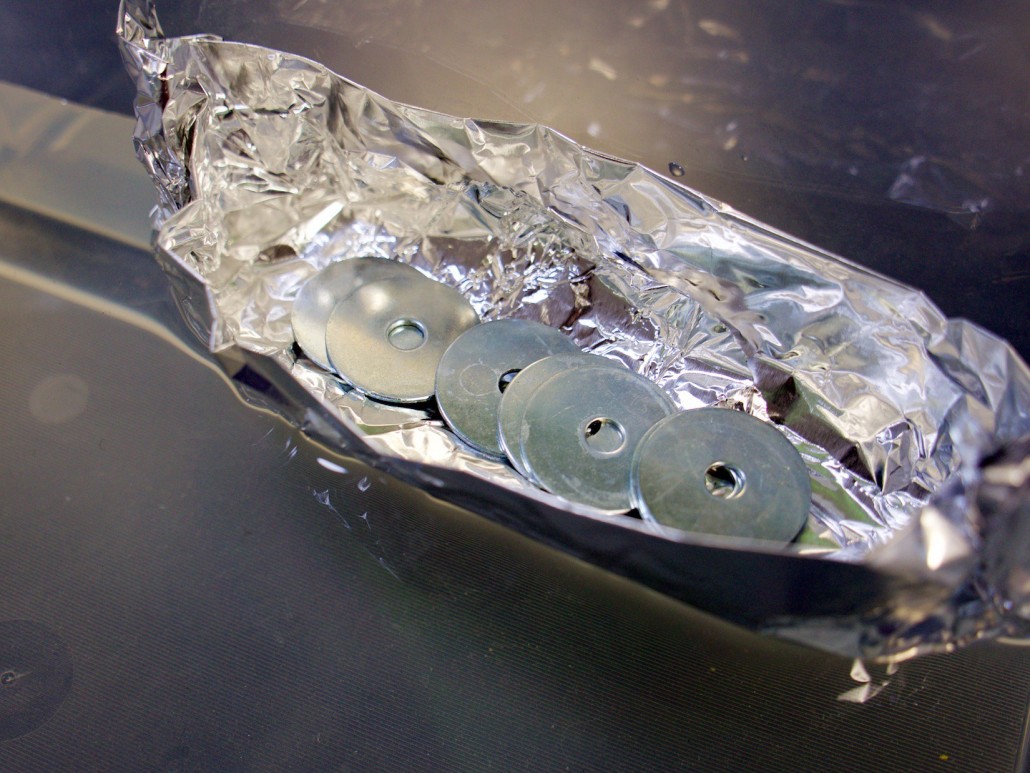
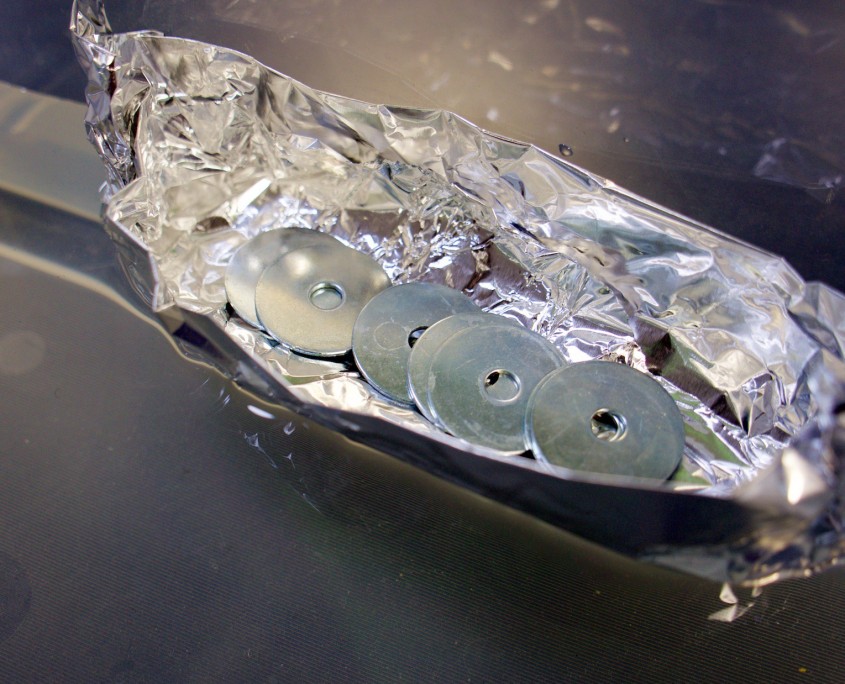
One solution to the Goat on a Boat challenge!

The Workshop

Goat on a Boat has been created to help you explore the world around you, at around Key Stage 1. You’ll practice reasoning skills to develop fair experiments, and from your observations you’ll solve real problems. Real problems like:

Question

If a goat wants to travel across a river, what shape boat should it build?

Hmm. Perhaps not very real problems. But real enough for the youngest billy goat.

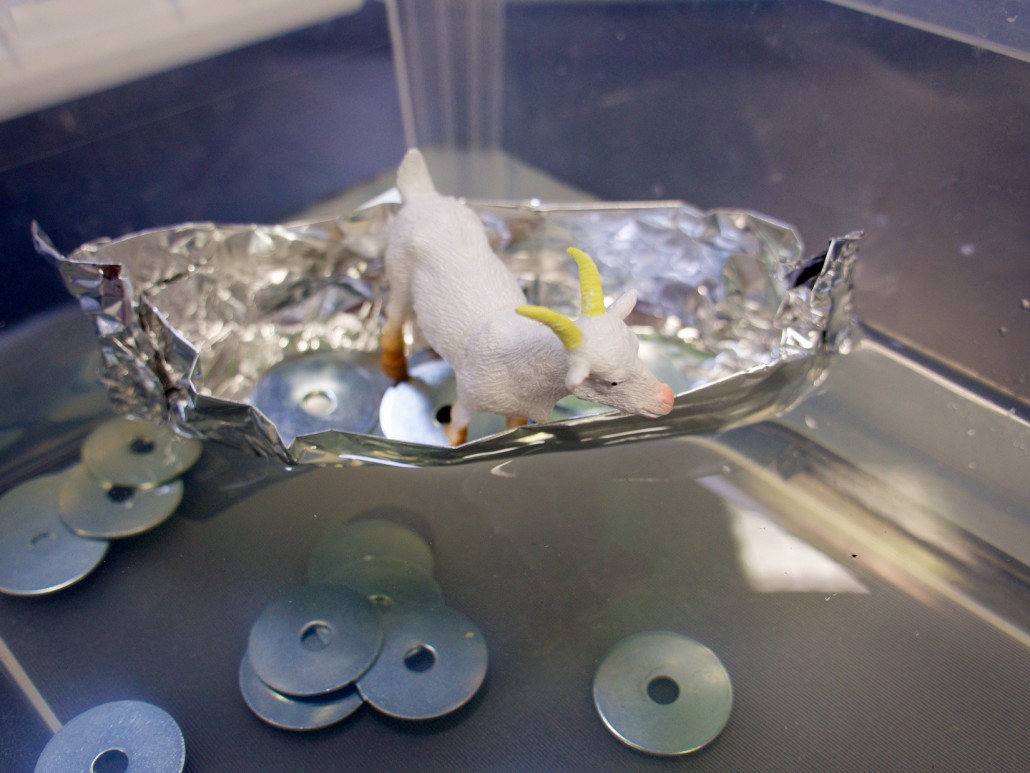
We provide you with the materials to build your raft, some test weights (washers)… and a goat. You could supply your own goat, but ours are carefully trained to be minimal bother in workshops. They’re also small and plastic.

You have to design, build and test a foil boat which is strong enough to float even the youngest goat safely across a river.

  • What design will your boat be?
  • How will you test your boat? How will you know which is the best design?
  • How will you record your observations?

During the workshop, you’ll experience an awful lot of sinking and hopefully a bit of floating as well. You’ll explore which shapes of boat are better than others for keeping goats afloat.

By the end of the workshop you should have a really good idea of how to make a boat that can float. Hopefully, you’ll have made a firm recommendation to your intrepid goat, and will have floated it happily on your boat.

Parents – continue this at home

Nurturing your child’s natural curiosity will help them practice key skills. At home, you could explore the idea of floating and sinking by making simple boats out of aluminium foil (aluminium food trays are particularly good). Try making boats of different designs, and test them in the bath or sink. Use toys to test how much weight they can carry.  Why are some designs better than others?

You could also explore whether some objects are buoyant – whether they float. Collect a bunch of things you don’t mind getting wet, and together, make predictions about what you think will float, and what will sink. Then test out your predictions, and try to explain why you got some right, and others wrong.

“Tell me about…” is a particularly useful phrase. It’s a less direct challenge than “Explain this…”. Science is more about what you can observe and describe than what you already know.

Goats aren’t engineers

That’s true. Goats are odd animals, but they’ve never been observed in the wild building rafts. They don’t even seem terribly interested in engineering.

However, the skills and processes you practice whilst doing Goat on a Boat, and the areas of science you’re exploring, are similar to the work professional scientists and engineers do. For example:

  • Naval Architects

    Design, engineer and manufacture boats, ships, oil rigs… they care very much about what sorts of things float. They also sometimes care about the sorts of things that sink – naval architects design submarines, too!

  • Oceanographers

    If it’s in the sea, oceanographers want to know about it. They study seawater, the polar ice caps, the atmosphere, and the biosphere. They work out how the oceans move, and how they’re changing. Oceanographers might specialise in fisheries, minerals and mining, pollution, weather and climate prediction, or renewable energy.

  • Chemical Engineers

    A lot of the raw materials we use come from the sea. Not just fish – everything from salt to magnesium. Chemical engineers work out how to extract and concentrate raw materials, then turn them into industrial materials we can use.

  • Zoologists and Marine Biologists

    If it’s the goat that interested you more than the boat, think about zoologists – who study animals – and marine biologists – who study fish and other sea creatures. They look at the animals and their environments: what they eat, how they interact, and almost certainly not how they make boats.

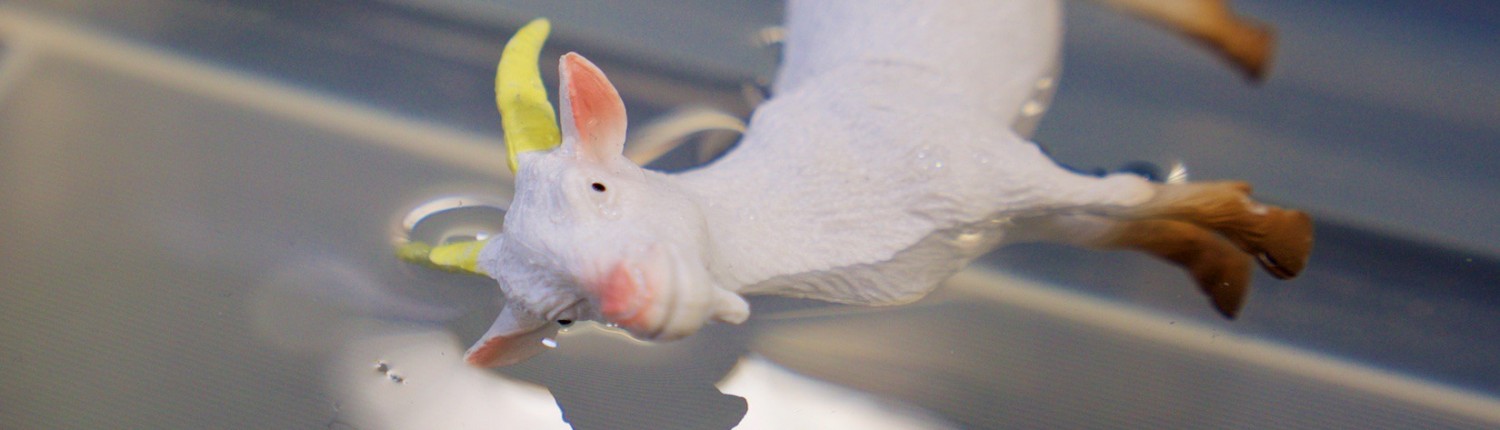
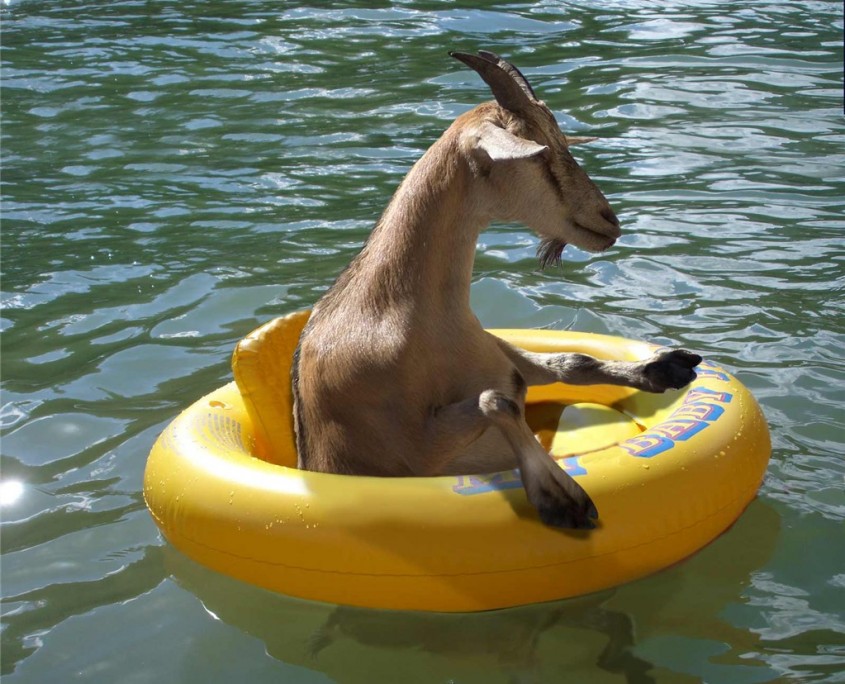
This goat’s boat wasn’t so successful, and it had to take to a life raft to escape.

© Northumbria University 2014-26