Civil Engineer family STEM story time
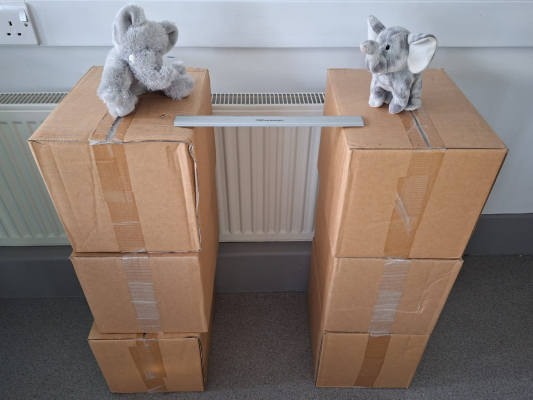
Challenge families to build a bridge to rescue and elephant from Elephant Island.

Children’s parents, carers and other family members all help shape children’s ideas about themselves and what they should do with their lives, including what would be a suitable future job for them.
A family STEM story time is an opportunity to introduce STEM careers, ideas and activities in a relaxed and enjoyable way. STEM story time also provides an opportunity to positively model how adults and children can share stories together.
Each session begins with an introduction to a STEM career and the attributes used in the job. There is then a STEM story which introduces a STEM concept or problem to the group. The session then continues with a practical activity based on the concept introduced by the story. This is designed to be completed by an adult and a child working together. They can successfully complete the challenge together, ensuring their experience of STEM is a positive one.

For this activity, you’ll invite children’s parents or carers into your setting, so they can work alongside each other.
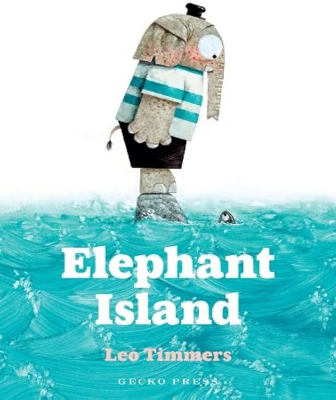
Elephant Island is widely available from bookshops and education suppliers.
Structure – something that has been built from parts, especially a large building or bridge.
Strengthening – making a structure stronger by spreading out the weight of the elephant across the whole bridge.
Fastening – making sure materials are securely joined together and adding extra strength to the structure where materials join.
Balancing – able to stay upright because weight is equally spread.
Do these things before the session
Think about:
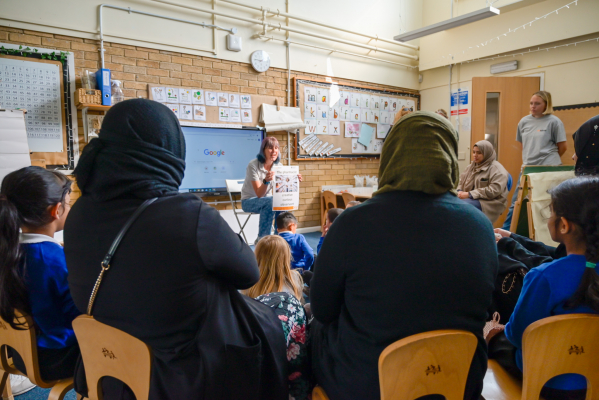
If you have already had story times with your families you will know what works best in your setting, but if not you may want to consider:
Start the session by showing families the civil engineer poster and telling them that a civil engineer is a job that uses science. If you have already done some of the activities from the civil engineer unit, you could ask the children to explain to their families what a civil engineer does. If this is a new topic, you could ask the families what they think a civil engineer does.
Tell everyone that for this activity, they are going to be like civil engineers.
You could tell the families that civil engineers plan, design, build and manage the construction and upkeep of large structures including buildings roads, bridges, dams, railways, airports and harbours.
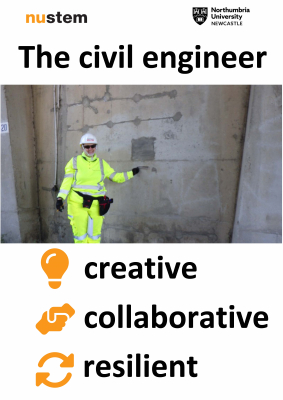
Introduce the attributes by telling the families that attributes are personal skills or qualities that we already have, or can develop.
You could tell them that civil engineers are:
Creative when they plan and design buildings and structures,
Collaborative when they work together with other professionals to complete projects,
Resilient because their designs can be tricky to get right the first time.
During the activity, the children and adults might also be able to identify where they are using these attributes.
You know the families in your setting and the best way to read a story to them, but to help we have designed these STEM focused questions to use alongside the questioning you would usually use when reading a story.
Show the civil engineer poster again and use the attributes in the activity explanation. You could tell the families that they are going to be:
Creative like civil engineers as they are going to design and build a bridge.
Collaborative like civil engineers as the need to work as a family to complete the task.
Resilient because their bridge might not be long enough or strong enough to hold the weight of the elephant the first time, so they will need to try again to get it right.
Show the families the gap that they need to bridge for the elephant to be able to escape from Elephant Island.
Tell them that they need to use paper and tape to create the bridge. You could ask one of the children to come and put one piece of paper across the gap and test the strength of the bridge by placing the elephant in the middle. The bridge should immediately collapse.
You can ask the families to think about how they can make a bridge long enough and strong enough for the elephant to cross.
Tell the families that you would like them to test their bridges as often as possible during their construction so that they can check their ideas work before getting too involved in a particular design that may not work. This also gives them plenty of time to improve their bridges and try different designs. Encourage all family members to test the bridges, not just the children.
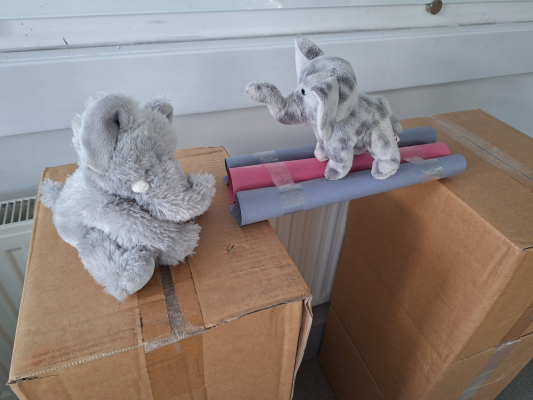
While the families are working, you could ask them:
When the families are testing the bridges, you could ask:
You might want to make additional construction materials available to your families that they could investigate building bridges with.
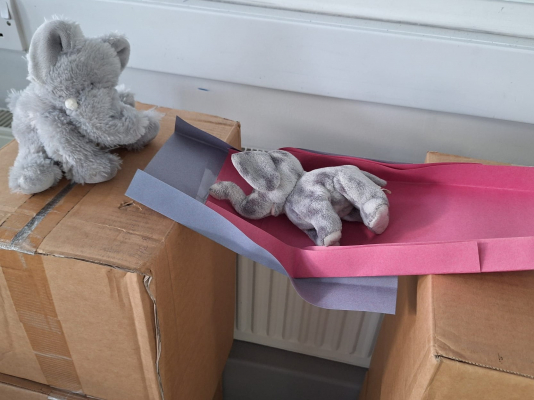
When the families have completed the challenge, remind them of the attributes: being creative like a civil engineer by designing and building bridges, collaborative by working together to plan, build and test their designs and resilient by improving their designs until their bridges were strong enough for the elephants to cross.
There is a STEM at home activity linked to this activity. This includes more STEM careers information and other bridge building activities for the whole family to try at home.
You could tell the families that if they have enjoyed today’s activity, maybe they could be civil engineers in the future.
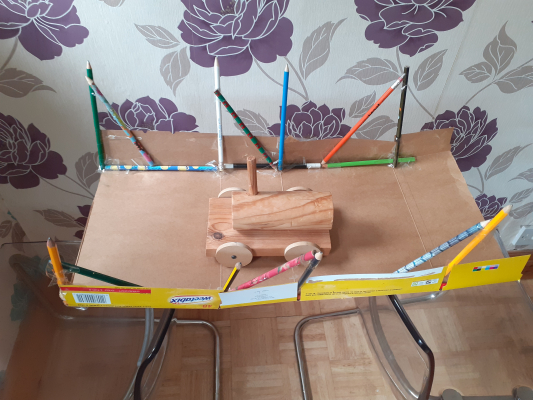
This section is for your information. It’s intended to be useful background – you’re welcome to include it in the session, but we expect you’d more commonly draw on it when children or their families have questions.
Bridges are designed to be able to hold a certain weight of vehicles and people that travel over them. If a bridge is not strong enough it might collapse.
The structure of the bridge spreads the effect of the weight across the whole bridge and onto the foundations on land. Some bridges do this by using arches and others use long chains or metal ropes.

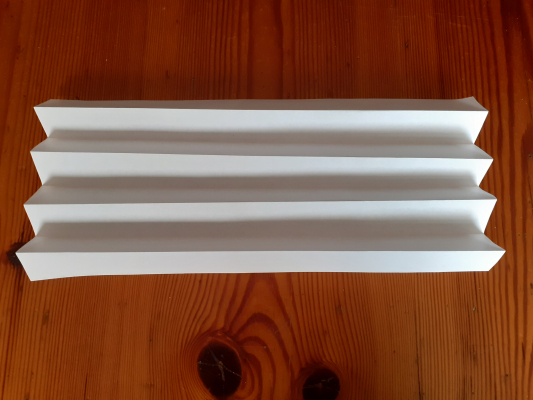
Make a concertina! A concertina is made up of a series of triangles. Triangles are one of the best shapes for spreading out weight. Bridges made of triangle sections are called truss bridges.


 Magnet engineer family story time