
What is a geologist?
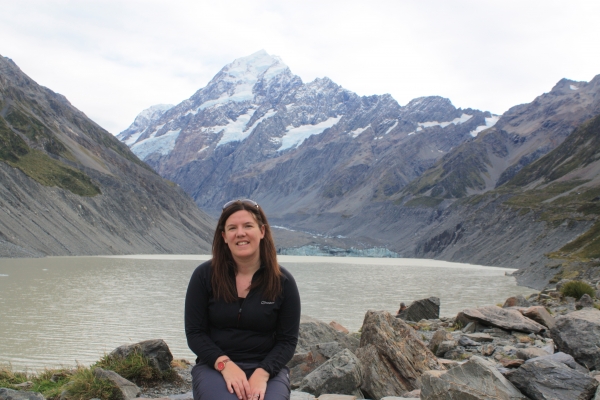
Geologists work to understand the history of our planet so they can understand Earth’s history and can predict how events and processes of the past might influence the future. Geologists seek to understand the processes of landslides, earthquakes, floods, and volcanic eruptions well enough to avoid building important structures where they might be damaged. They prepare maps of areas that have flooded in the past in order to prepare maps of areas that might be flooded in the future. Geologists locate rocks that contain important metals, plan the mines that produce them and the methods used to remove the metals from the rocks. They also locate and produce oil, natural gas, and groundwater. Geologists study past climates of Earth and how they have changed across time. This provides an understanding of how our current climate is changing and what the results might be. They also study the age of rocks, attempting to piece together a chronology of events for the formation of our land masses and changes over time.
Attributes: observant, curious, hard working
What are meteorites?
Meteorites are fragments of rock and metal which formed out in space, sometimes in the very early stages of our solar system. The samples we see on Earth have survived a fiery descent through the Earth’s atmosphere before smashing into the surface.
Meteoroids, meteors, and meteorites are slightly different things:
- meteoroids are fragments of material out in space which haven’t yet entered the Earth’s atmosphere.
- meteors are the bright, fast trails you’ll very occasionally see in the night sky. You might call them ‘shooting stars’, but they’re former meteoroids which are burning up in the Earth’s atmosphere.
- meteorites are meteors which survive their descent to land (or smash into) the Earth. Most are less than 1mm across but some are larger. Very rarely, meteorites are huge and cause catastrophic damage, such as the one that caused the extinction of the dinosaurs. Large meteorites leave a hole in the ground called a crater. The moon is full of them!
Don’t worry! It is extremely unlikely that you will ever be hit by a meteorite. Take a look at this LiveScience infographic which explain how (not) dangerous meteorites really are!
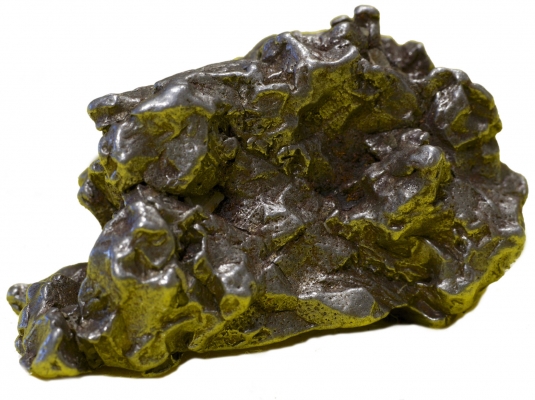
An iron meteorite.
Types of meteorites
Our geologist workshop includes handling and observing some of the meteorites in our collection.
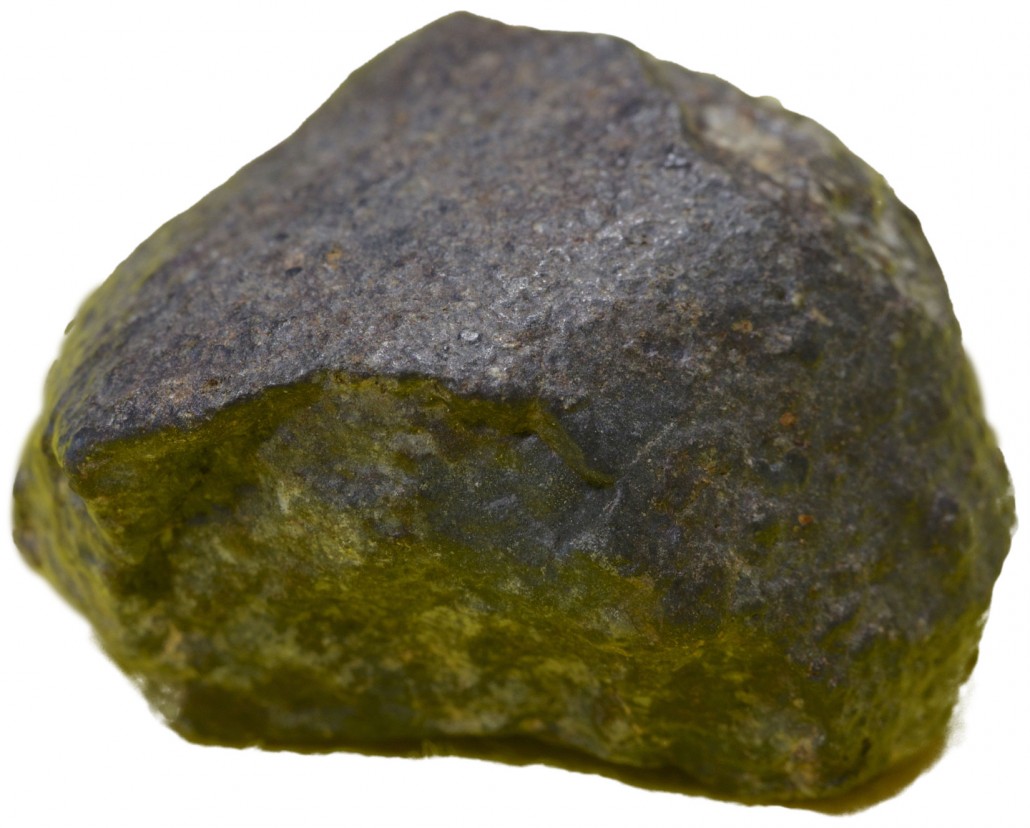
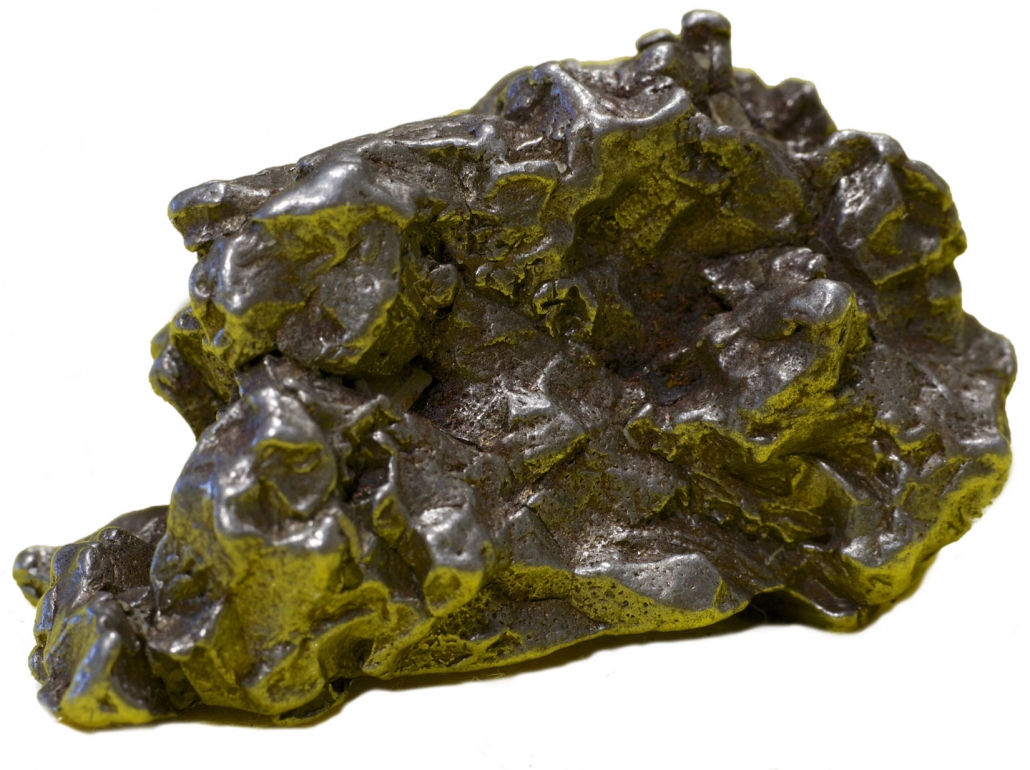
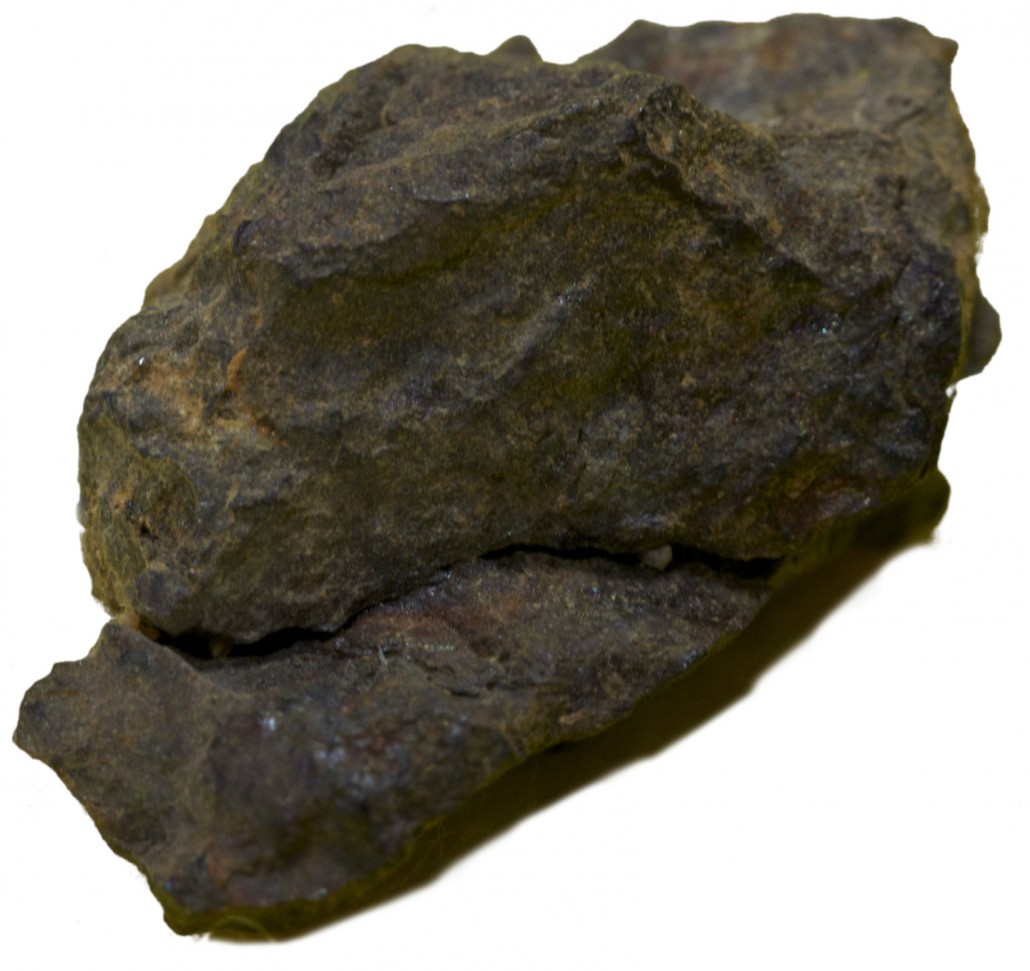

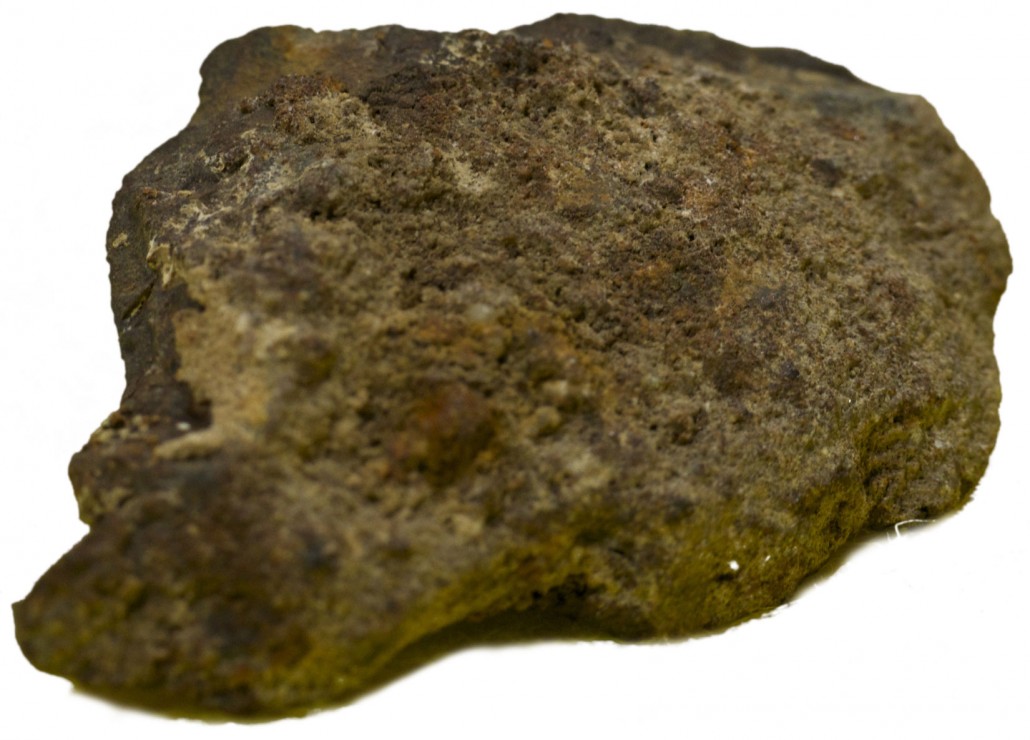
This meteorite is one fragment of a huge find from Argentina called the Campo del Cielo. A thousand kilometres northwest of Buenos Aires lies a field of at least 26 craters, dating back four or five thousand years. More than 100 tonnes of meteorite material has been recovered from the area so far – the largest meteorite ever recovered on Earth.
Some of the pieces even have their own names: a 634kg piece donated to the British Museum (and now on display in the Natural History Museum) is known as the “Otumpa Mass”. Our fragment is a little smaller.
There’s a whole Wikipedia page about the Campo del Cielo, and the Natural History Museum have an excellent section of their website all about meteorites.
Try this at home – impact craters
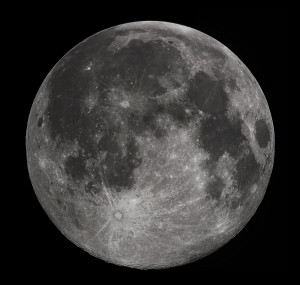
Have you ever wondered how those holes on the moon got there? They are impact craters and are formed when meteors (lumps of ice and rock) crash into the surface of a larger solid object like a planet or a moon. You can investigate your own impact craters at home using balls, a bowl or tray and some sand, soil or even flour!